




Reggio Emilia
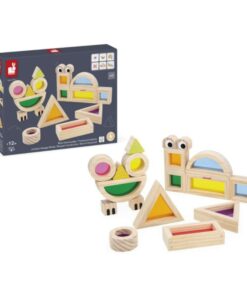
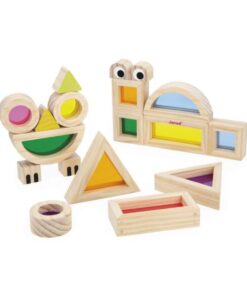
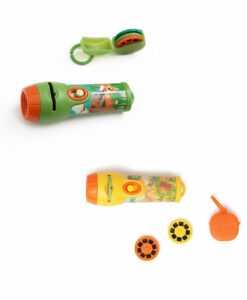
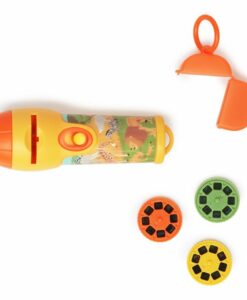
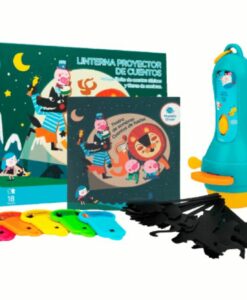
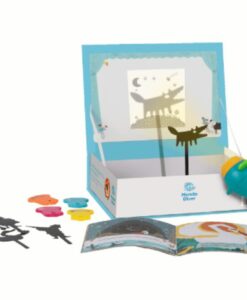
Animal projector flashlight
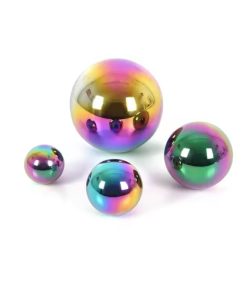
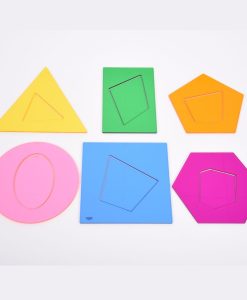
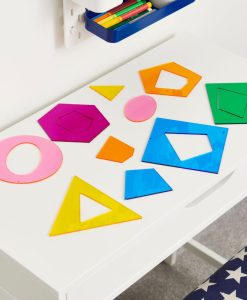
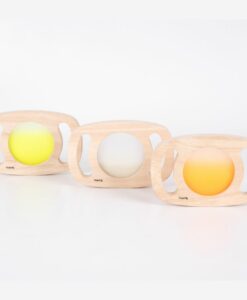
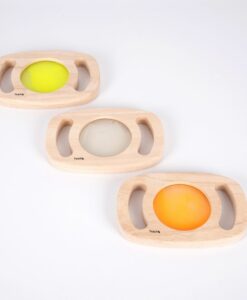
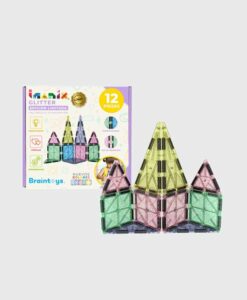
Basket of treasures
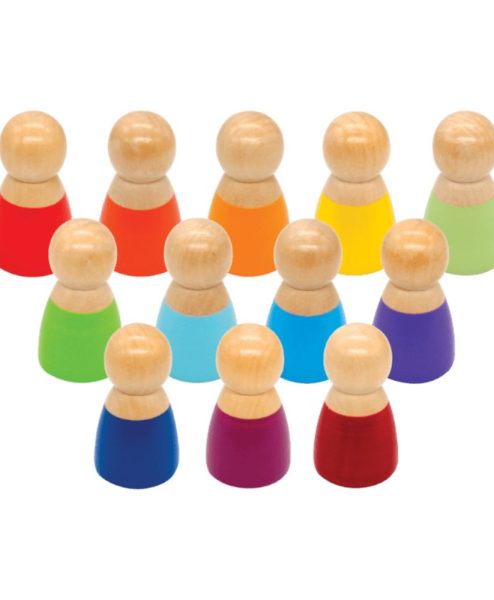

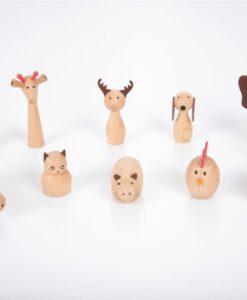
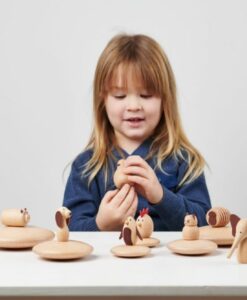
Mini wooden dolls
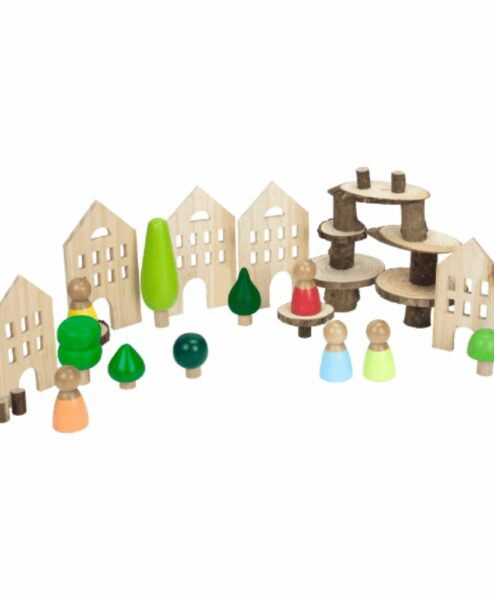
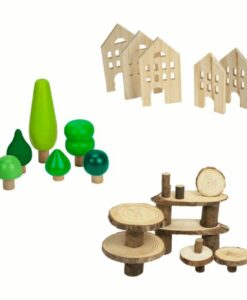
Construction set – Minimundos
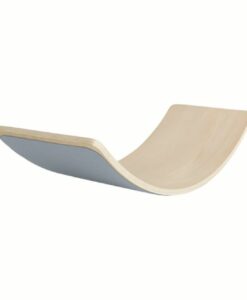
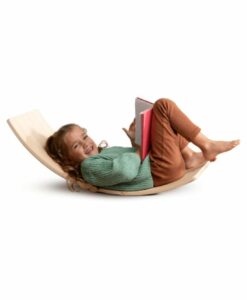
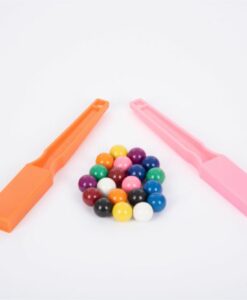
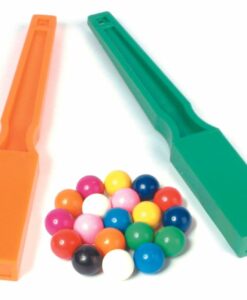
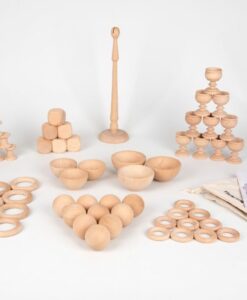
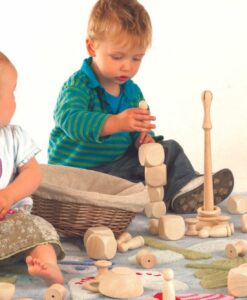
Heuristic game – Wooden set
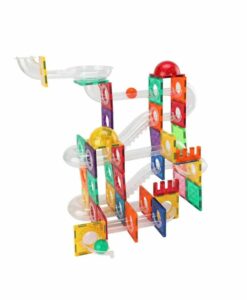
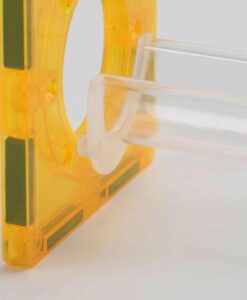
Magnetic construction set – Imanix Slide
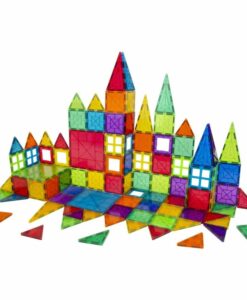
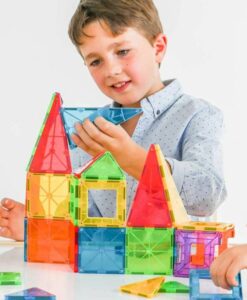
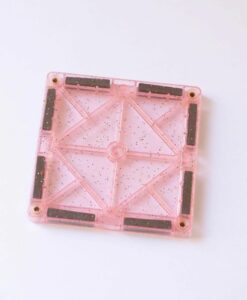
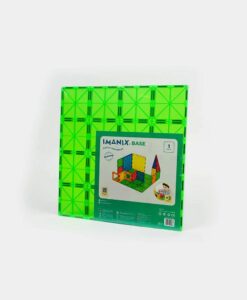
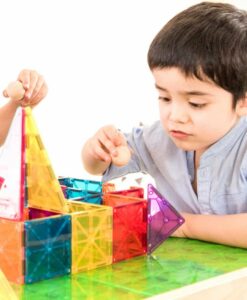
Magnetic construction set – Imanix
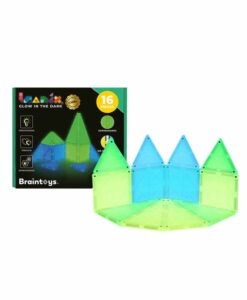
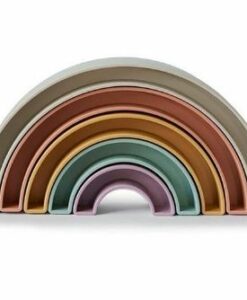
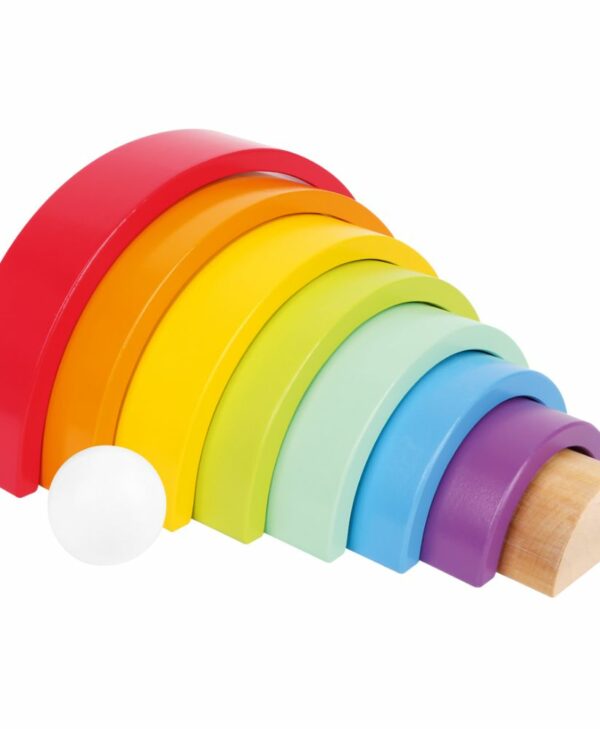
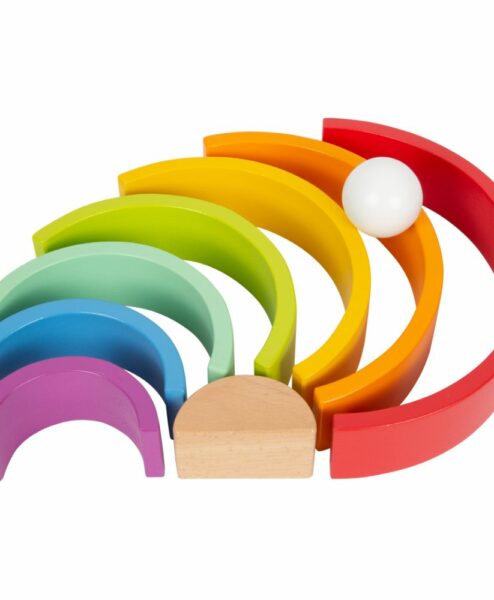
Wooden rainbow XL
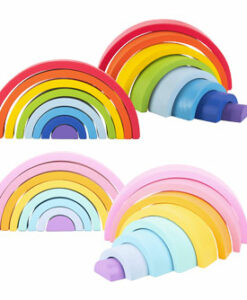
Medium wooden rainbow
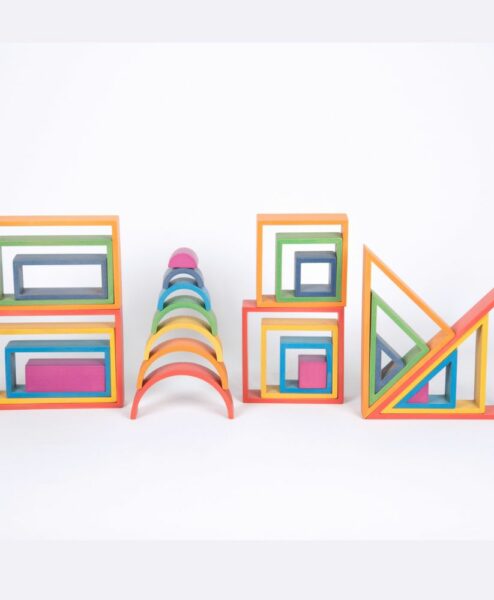

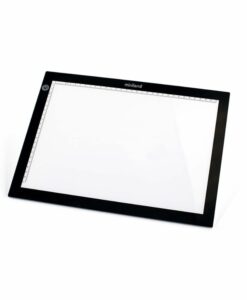
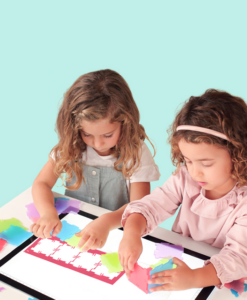
Compact light table – Lightpad
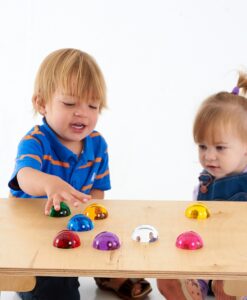
The Reggio Emilia approach has no material of its own, which throws people who arrive looking for “the Reggio toy”. What it has is a way of presenting material: you set a few objects out on a table, with no instructions, and wait to see what the child does. That is called a provocation, and it works with almost any well-chosen material.
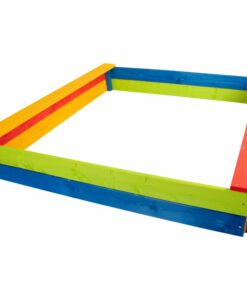
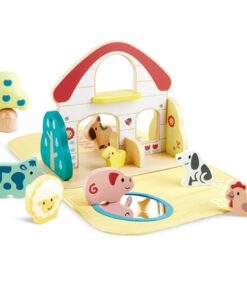
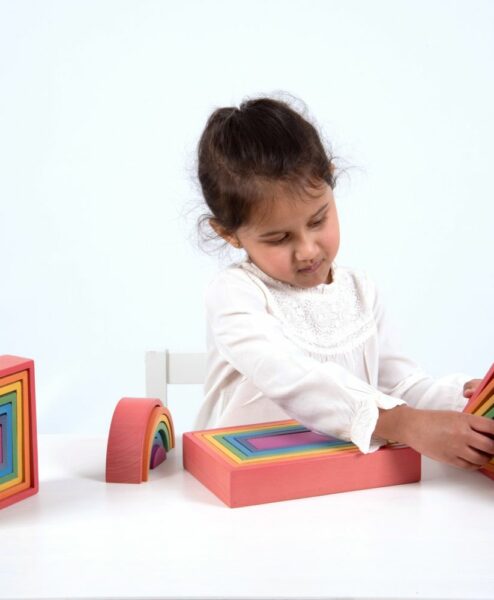
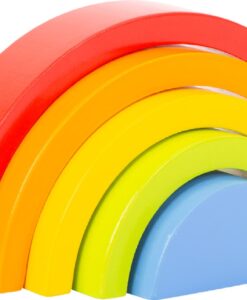
Here you will find what usually makes up those invitations: open ended toys — translucent blocks, magnetic construction, wooden animals and trees, treasure basket, sand, mirrors, light and geometric shapes.
It is part of toys by pedagogy and shares material with Waldorf.
What a provocation is (and why it isn't an activity)
It is the key word of the approach and the most misread. A provocation is a selection of materials arranged with care and without a brief, set out to prompt questions.
The difference from an activity is what you expect of the child. An activity has an intended outcome. A provocation has no intended outcome, and that requires the adult to sit with not knowing what will happen — which is the genuinely hard part.
A concrete example: on a light table, a handful of translucent blocks, some glass pebbles and a mirror underneath. Nothing is said. One child builds towers, another mixes colours against the light, another spends twenty minutes watching the reflection. All three are doing something worthwhile, and none of it what you would have planned.
Three rules make it work: few materials, carefully arranged, no instructions. And a fourth that takes discipline: leave it out for several days, because the interesting thing often happens on the third visit, not the first.
The hundred languages, in practice
Loris Malaguzzi, who drove the approach in post-war Italy, wrote that the child has "a hundred languages" and that school steals ninety-nine. It reads like a poster slogan and it has a very practical reading: a child can express the same idea by building, drawing, moving, with light or with clay, and limiting expression to speech leaves nearly all of it out.
That is why Reggio material is so varied and so unspecific: transparencies, magnets, wood, sand, mirrors, light. Each is a different language for saying the same thing.
This has direct use in speech therapy and in classrooms with children who talk little: the material gives them something to talk about. It is far easier to draw out language from a child building something of their own than by asking what they see in a picture.
Light and transparency, the visual signature
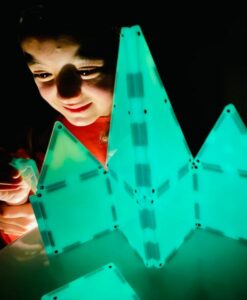
If anything marks Reggio out visually, it is the use of light. It is not decoration: backlighting changes what the eye can see. A coloured block on a table is a block; the same block on light reveals blends, densities and shadows that do not exist in ordinary light.
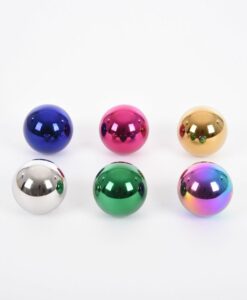
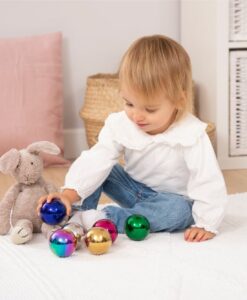
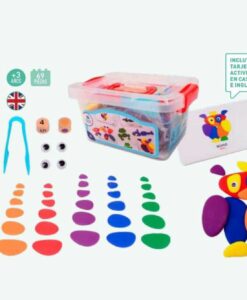
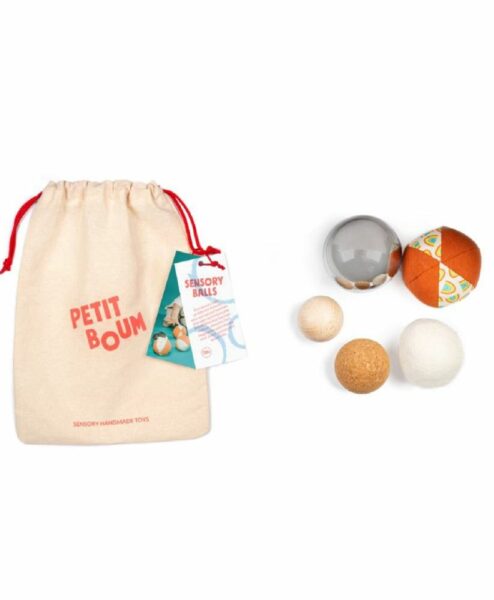
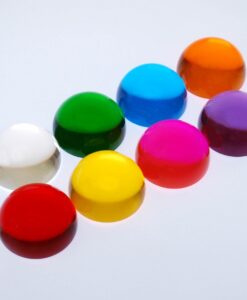
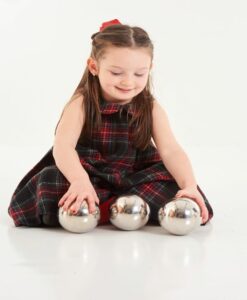
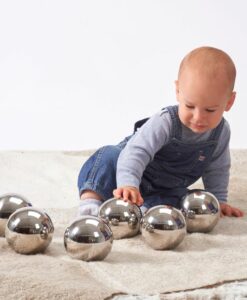
The materials that pay off most are translucent ones — blocks, geometric shapes, coloured pebbles — and reflective ones like mirrors and mirrored balls, which multiply and disorientate in a way children find hard to leave.
And something that gets forgotten: a torch works nearly as well. A projector torch and a dim room give much the same play as expensive equipment.
The treasure basket, for the youngest
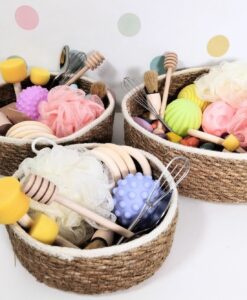
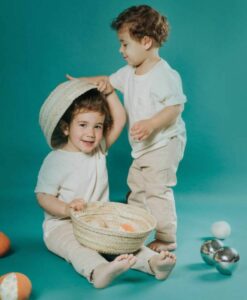
The classic invitation for babies who sit but do not yet crawl: a low basket holding twenty or thirty everyday objects, none plastic and none a toy — a wooden brush, a metal spoon, a scrap of fabric, a cork, a pine cone.
The baby picks up, mouths, drops, returns. They are building a sensory catalogue of the real world: weights, temperatures, sounds and textures that a plastic toy — all uniform, all light — cannot provide.
Check it periodically for safety and rotate the objects. It is probably the invitation with the best ratio of cost to value in the whole approach.
Frequently asked questions
What are open ended toys?
Toys with no single correct way to be used and no predetermined outcome. Blocks, rainbows, cloths, natural materials or magnets become whatever the child decides, which is why they last for years instead of being exhausted once you work out "how they work".
What materials are used in the Reggio Emilia approach?
There is no official list, and that is deliberate. Natural and unstructured materials — wood, stone, sand, cloth — plus transparency and light, mirrors, open construction and recycled materials. The criterion is not what the object is, but how many different things it allows.
How does it differ from Montessori?
In how much the material directs. Montessori designs objects with a specific use and a visible error, and there is a correct way to use them. Reggio does not prescribe: it puts materials out and follows the child. Montessori is more structured; Reggio is more open and depends more on the adult's observation.
Do you need a light table?
Not essential. It helps a lot with translucent material, but a torch, a window or a dim room give plenty. And much Reggio material — wood, animals, treasure basket, sand — needs no light at all.