




Waldorf




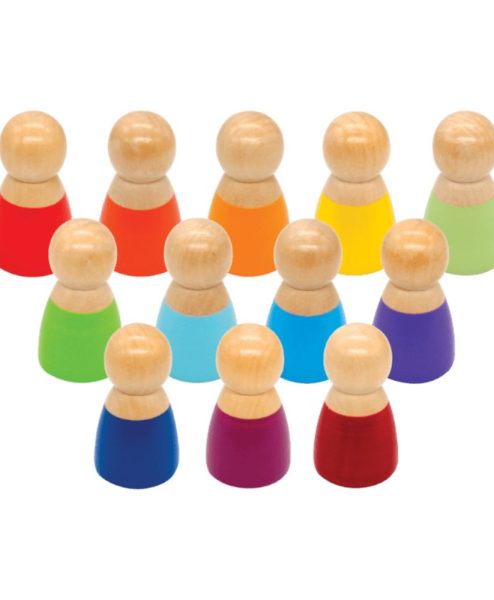

Mini wooden dolls
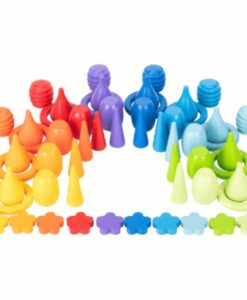

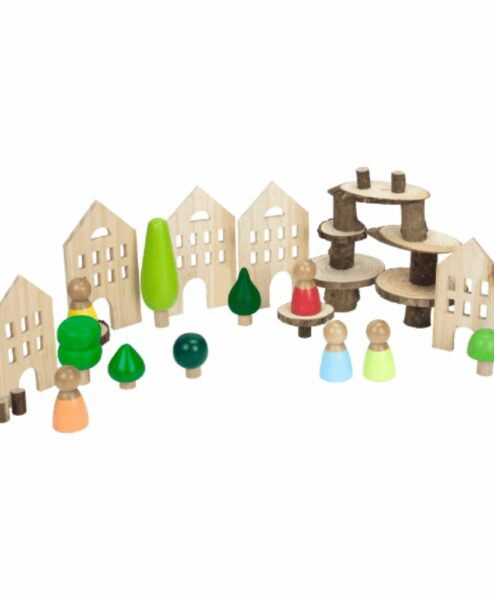
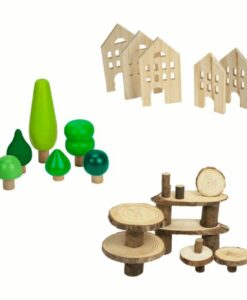
Construction set – Minimundos
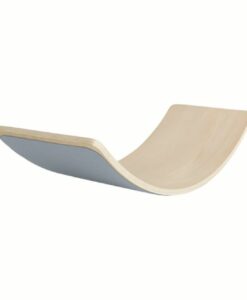

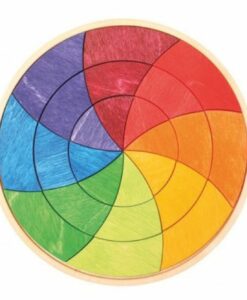
Wooden chromatic circle
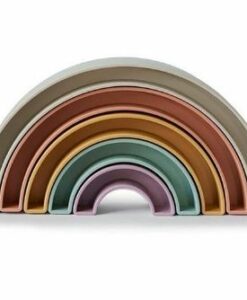
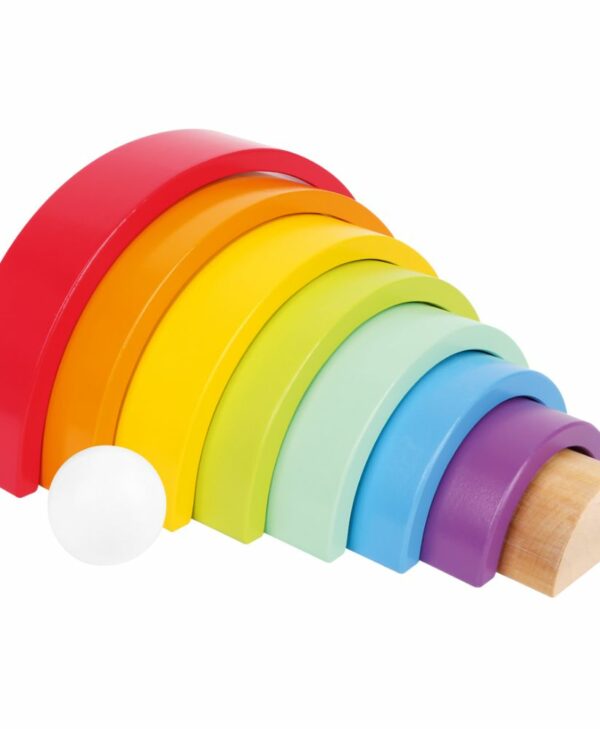
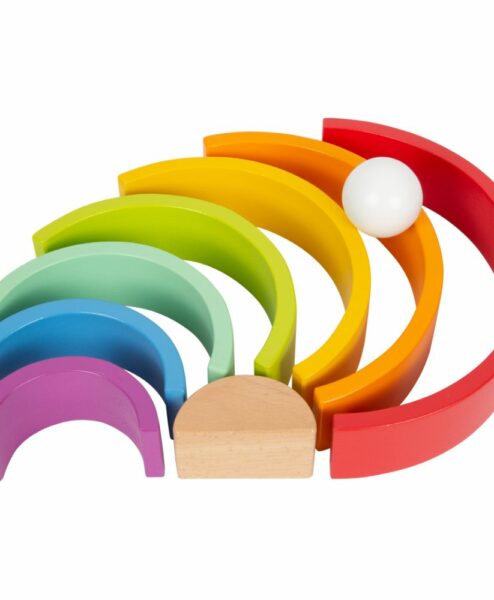

Wooden rainbow XL
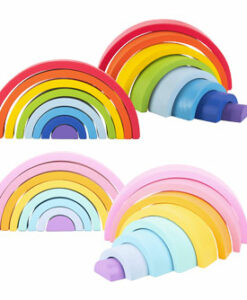
Medium wooden rainbow
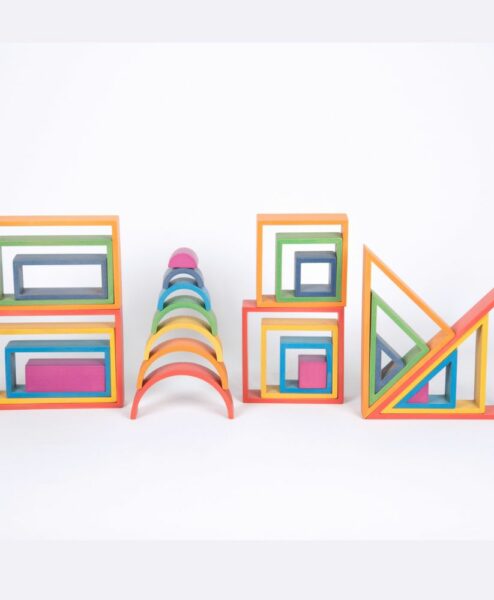
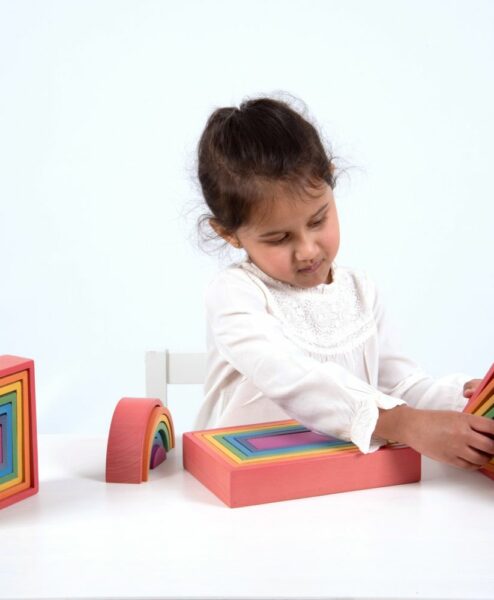
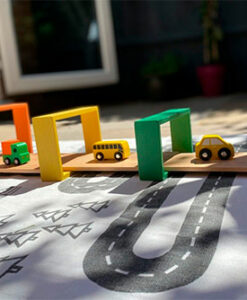
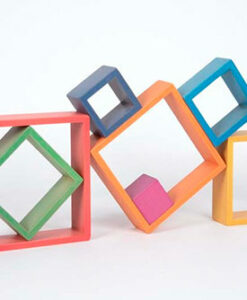
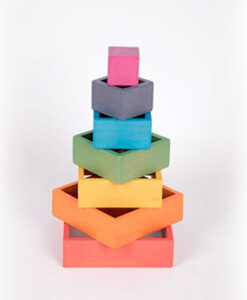
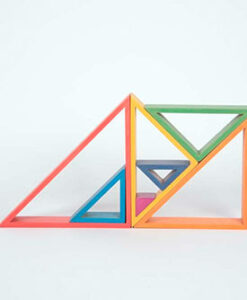
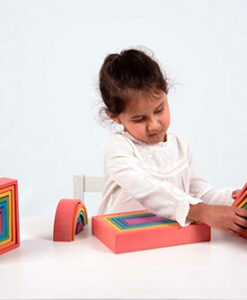
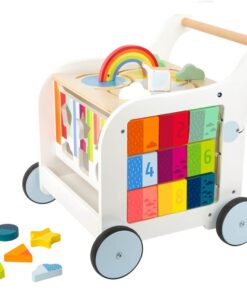
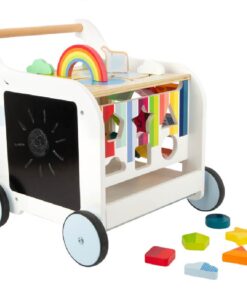
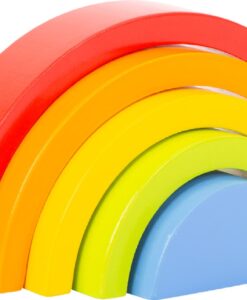

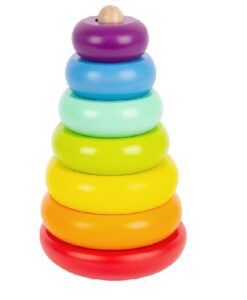
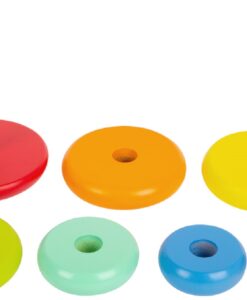
The wooden rainbow is probably the most photographed and least understood toy of the past decade. People buy it because it looks good and keep it because it works: it is not a puzzle or a stacker, it is a set of arches that become whatever the child decides that day — a tunnel, a bridge, a cradle, a mountain or a fence.
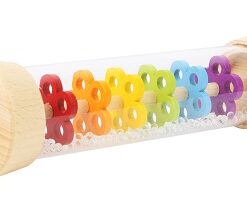
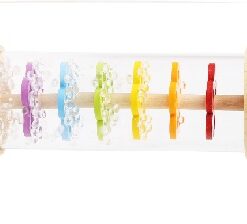
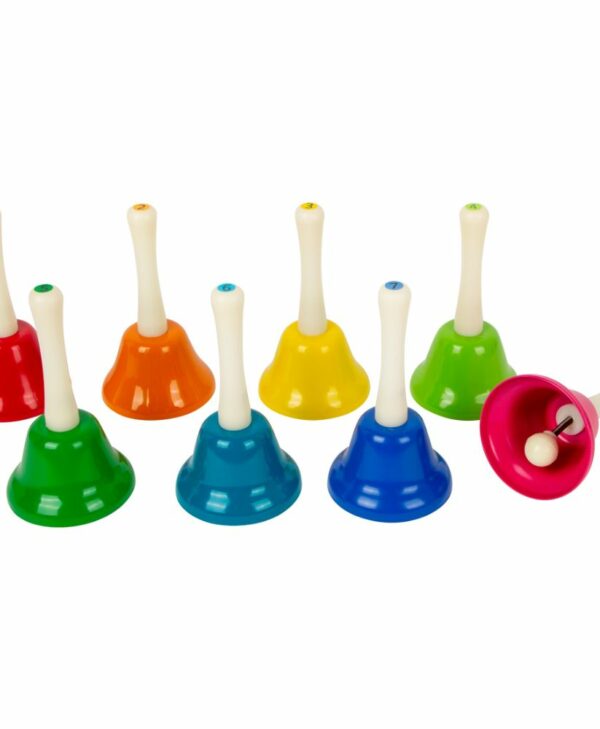
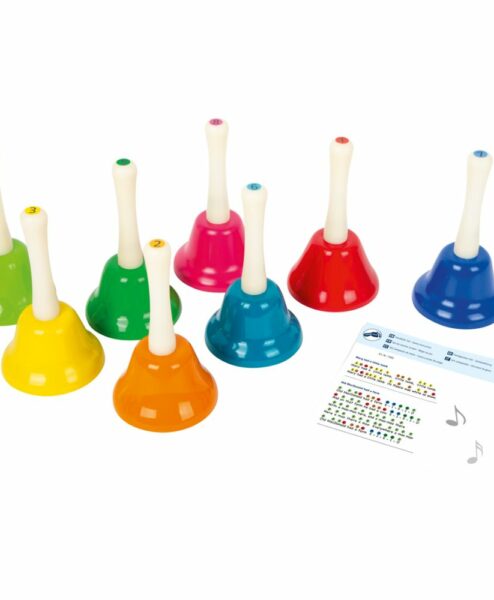
Here you will find wooden rainbows in several sizes and shapes, along with a curved balance board, rain stick, bells and exploration material in wood and natural tones.
It is part of toys by pedagogy and shares its thinking with Reggio Emilia, which also builds on natural material with no instructions.
Why a rainbow never runs out
There is an old and fairly reliable rule: the less the toy does, the more the child does. A toy with buttons and lights has a script, and once the child knows it, that's that. A rainbow has no script, so the child supplies one, and it changes every week.
In practice the same rainbow goes through very different phases: at one it is stacked and knocked down; at two it is nested and ordered by size; at three it becomes a tunnel for cars; at four it is scenery — house, boat, mountain — inside a story.
That is why it is one of the few toys you buy once. And why the price, off-putting at first glance, works out well divided across the years it lasts.
What Waldorf asks of a toy
Waldorf starts from a specific idea: a toy should leave room for imagination rather than fill it. A doll with a strongly defined face is always happy; one with a barely suggested face can be happy or sad depending on what the child needs that day.
Natural materials. Wood, wool, cotton, silk. Not just aesthetics: they have weight, temperature and texture, and all that information arrives through the hands.
Simple, unfinished forms. An arch is an arch. What it represents is up to whoever is playing.
Colours from the world, not from a screen. Waldorf rainbow tones are translucent and warm because the wood is stained without hiding the grain.
Which size to choose
- Large (XL). For floor building and for playing with figures or cars inside it. Lasts the most years and works for several children at once.
- Medium. The sensible compromise: fits on a table, handles with one hand, still makes tunnels.
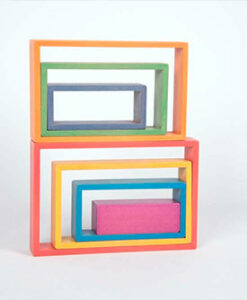
- Small and loose shapes (rectangles, squares, triangles). For composition work and light tables.
If it is a first purchase and you are unsure, take the medium. The small one is outgrown sooner than you'd think, and the XL needs floor space not every home has.
Beyond the rainbow
The curved balance board is the other classic and works on the same logic: rocker, slide, bridge, cave or shop counter. It adds balance work, which no tabletop toy provides.
The rain stick and bells bring the sound element, which matters a great deal in Waldorf. A rain stick sounds for long enough that a child stays and listens to the end, and that sustained listening is hard to get any other way.
Frequently asked questions
What is a wooden rainbow?
A toy made of wooden arches of decreasing size that nest inside one another. It has no set use: it is stacked, nested, separated and used as tunnel, bridge, fence or scenery. It is the classic example of an open-ended toy.
What age is it for?
From one year with supervision, mostly for stacking and knocking down. More elaborate play — tunnels, constructions, scenery inside a story — arrives around three and continues to seven or eight. Check piece sizes if there is a baby nearby.
How does Waldorf differ from Montessori?
Mainly in the role of fantasy. Montessori prioritises the real world and materials with a specific use and a visible error; Waldorf prioritises imagination and deliberately ambiguous materials. They are not incompatible — plenty of homes have both, and they cover different ground.
Are coloured rainbows safe?
Those from European makers are finished with water-based stains and toy-grade pigments, meeting EN 71. You can tell easily because the wood grain still shows through the colour: if the finish is opaque and plasticky, it is paint rather than stain.