




Dollhouses


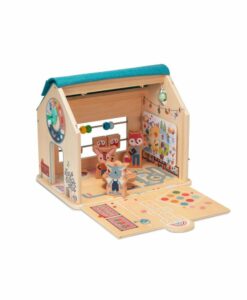
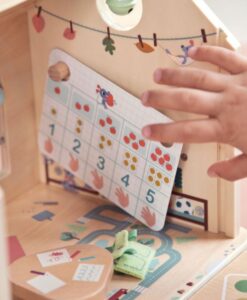
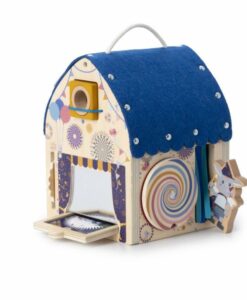

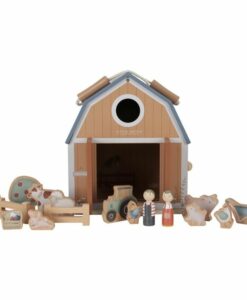
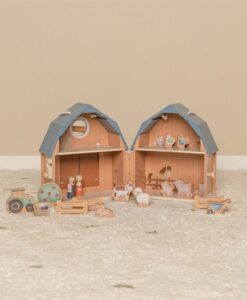

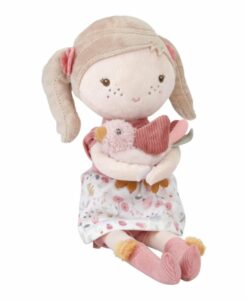
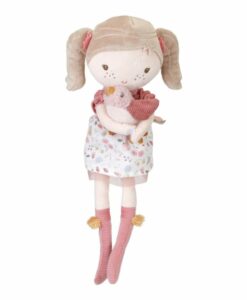
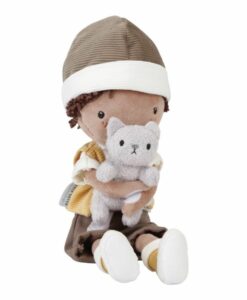
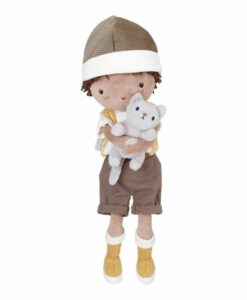
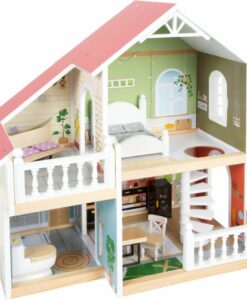

The dollhouse is where a child plays at being the adult. They reproduce what they see at home — putting to bed, cooking, arguing, comforting — and in doing so understand a little better how the world they live in works.
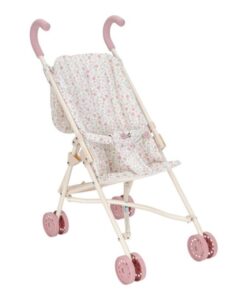
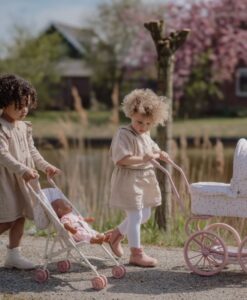
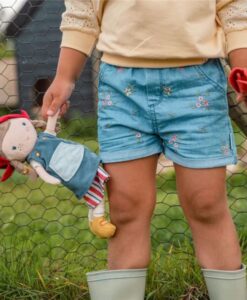
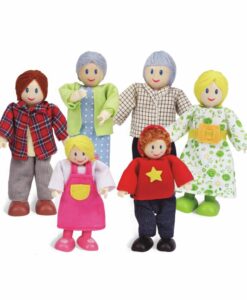
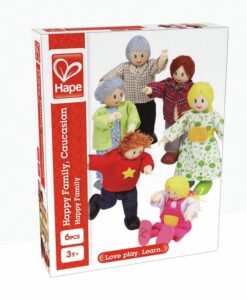
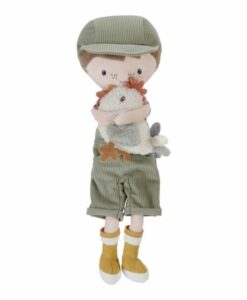
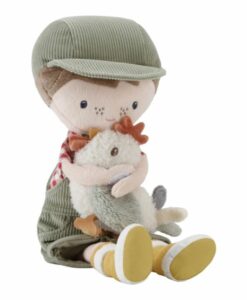
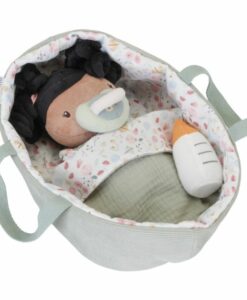
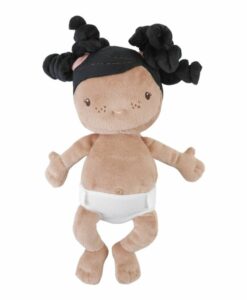
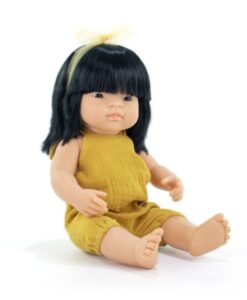
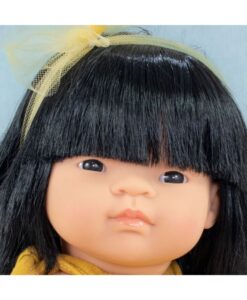
Here you’ll find wooden dollhouses, doll families of different ethnicities, soft dolls for the youngest, rag dolls with carrycots, and furniture and accessories.
It is part of pretend and imitation play and pairs with characters and professions.
Dolls of different ethnicities: why it matters
A child builds their idea of normal from what's in front of them. If every doll in the house is white and blonde, that's the default image that installs itself, without anyone saying a word.
Having dolls of different ethnicities and diverse families does two things at once, and both matter. For children who see themselves represented, it says they exist and that's fine. For those who don't belong to those groups, it widens the map of what counts as normal.
It doesn't need turning into a lesson. The doll being there, used like the others and pointed at by nobody, is exactly the right approach.
Pretend play and what it reveals
A dollhouse is a window. When children play, they act out what they've seen and what worries them, and sometimes information surfaces that wouldn't have come out otherwise: how they're experiencing a separation, a new sibling, a house move.
In therapy this is used explicitly: play is a channel for what can't yet be put into words. For families the advice is simpler: play without directing and without interpreting out loud.
And one very practical use: rehearsing difficult situations. Acting out the first night away, the dentist or the first day of school before it happens reduces anxiety noticeably, because the child has already been through it and knows how it ends.
Open or closed house, and what age
- 2-3 years. Soft and rag dolls, no house yet. The play is caring: feeding, putting to bed, going for a walk.
- 3-5 years. An open house with no doors or walls in the way, few rooms and large furniture.
- 5-8 years. More detail, smaller accessories and longer storylines, sometimes continuing day to day.
One criterion that tends to hold: a house open on all four sides lets several children play at once, and that multiplies social play.
Frequently asked questions about dollhouses
What age is a dollhouse for?
From 3, once pretend play is established and the child builds stories with several characters. Before that, loose soft dolls without a setting work better.
Are dollhouses only for girls?
No — worth saying plainly. Caring play and acting out domestic life matter just as much for every child, and they're among the best empathy and language practice available.
What furniture and accessories do you need?
Very little at first: beds, a table, chairs and not much else. Too many small accessories overwhelm and end up lost under the sofa.
Is it useful for language work?
Yes, particularly narrative language and dialogue. With several characters, the child has to switch voices, sustain a conversation between them and hold the story together.