




Characters and professions















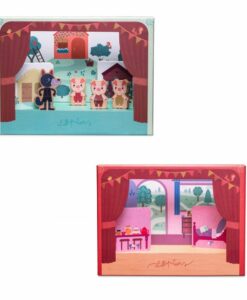
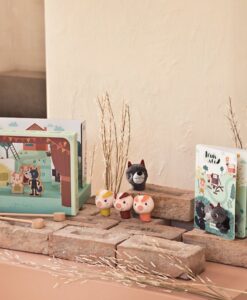
Magnetic theater – classic tales
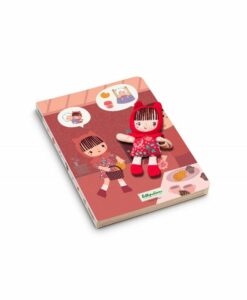
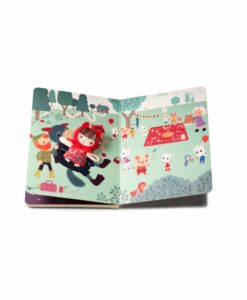
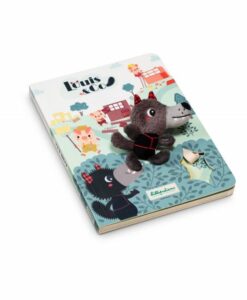
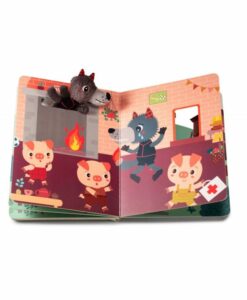
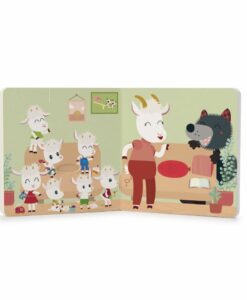
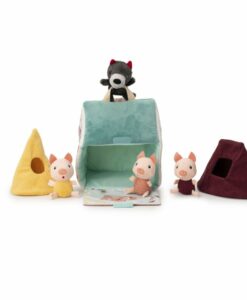
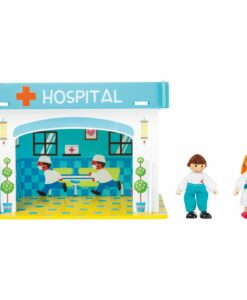
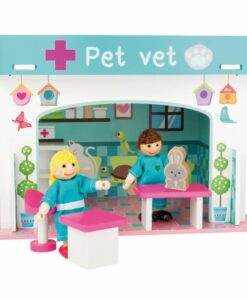
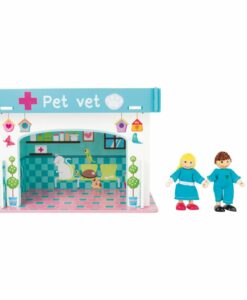
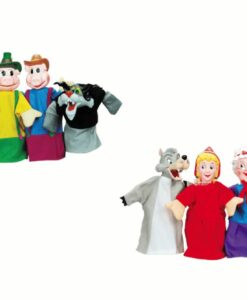
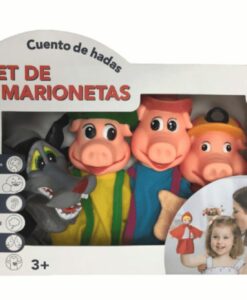
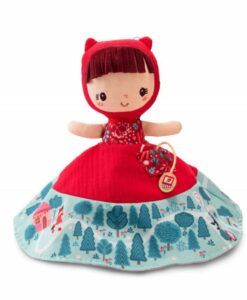
Puppets – Classic tales
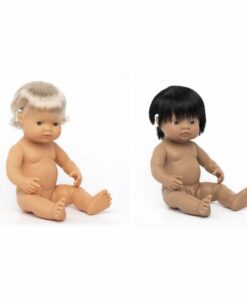
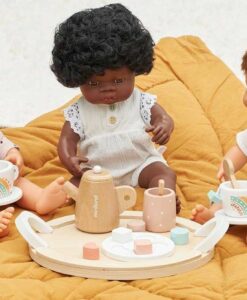
Doll with cochlear implant
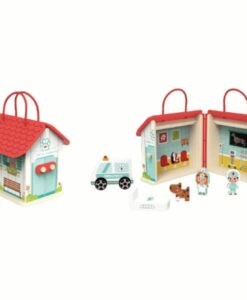
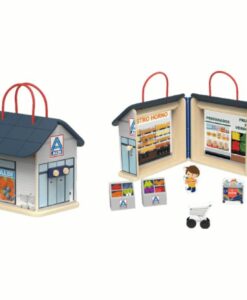
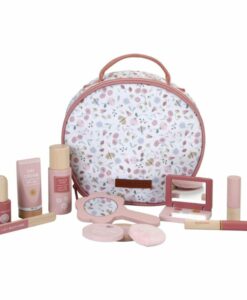
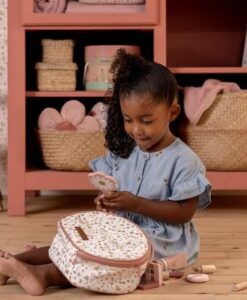
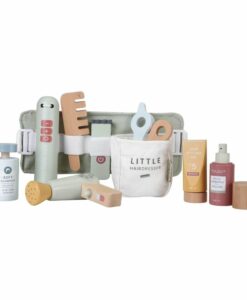
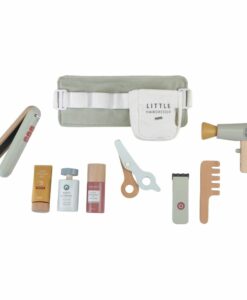
Wooden portable symbolic game set
The play kitchen is the imitation toy par excellence, and there’s a reason it survives generation after generation: children want to do what they see being done. Cooking is what they see most, it happens several times a day, and something interesting always happens.
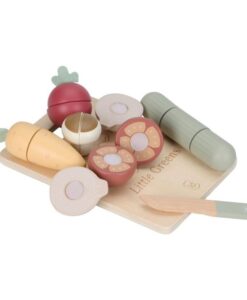
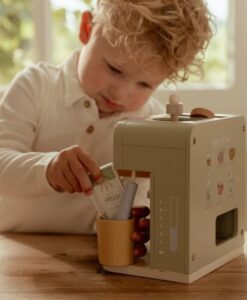
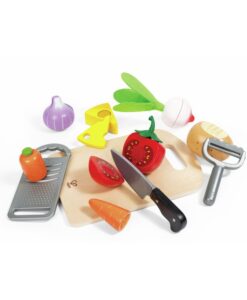
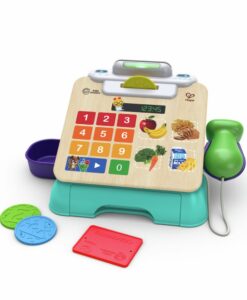
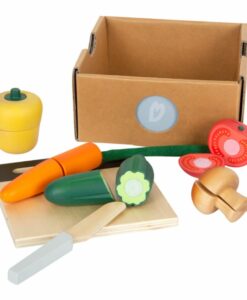
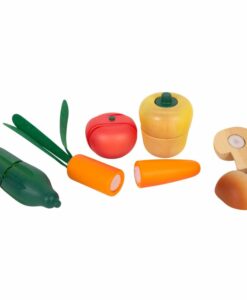
Here you’ll find wooden kitchens, velcro food to cut, baking sets, coffee makers, tea sets, market stalls with tills and other role-play scenarios.
It is part of pretend and imitation play.
Why play kitchens are so good for language
If you had to pick one toy for language work, many therapists would choose this. The reasons are specific:
- Plenty of useful vocabulary. Foods, utensils, actions, textures, temperatures. And it's vocabulary the child needs every day.
- Action verbs, which are the hard part. Cut, pour, stir, boil, serve, taste. Nouns take care of themselves; verbs have to be prompted.
- Time sequences. First I wash, then I cut, then I cook, then I serve. That's pure narrative structure.
- Requests and dialogue. Restaurant play generates questions and answers naturally: "what would you like?", "is it hot?". That's pragmatics.
- Roles and turns. One cooks, one orders. And roles swap, which is where flexibility gets practised.
Cutting food: much more than a game
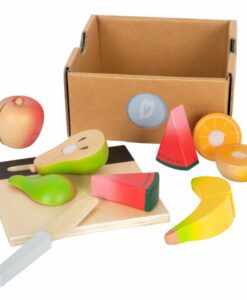
Velcro wooden fruit and vegetables look like a minor accessory. They aren't. Cutting them requires bilateral coordination — one hand holds, the other cuts — which is precisely the skill needed later for cutting with scissors and for writing while holding the paper.
They also deliver the satisfying "click" as they separate, an immediate sensory reward, which is why children repeat the action dozens of times without tiring.
And there's an unexpected benefit around eating: for children with food selectivity, handling toy food is a first contact with zero pressure. Touching a wooden tomato is a long way from eating one, but it's a step in the right direction.
What to look for in a play kitchen
- Height. The counter should sit at the child's waist. Too high and they play on tiptoe and tire.
- Something that grows with them. Adjustable legs or add-on modules mean years rather than one season.
- Less realism, more play. A kitchen with too many fixed details and electronic sounds constrains: it has already decided what the game is.
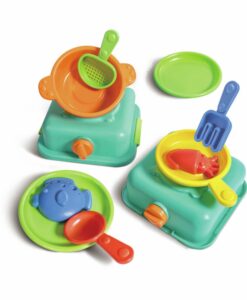
- Open-ended accessories. Pots, plates and simple utensils beat single-purpose themed extras.
Jobs and role play
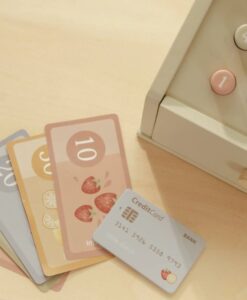
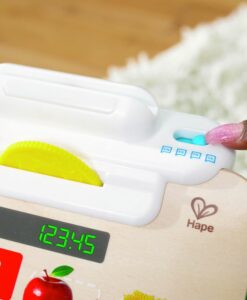
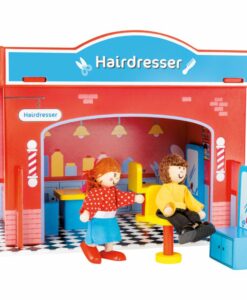
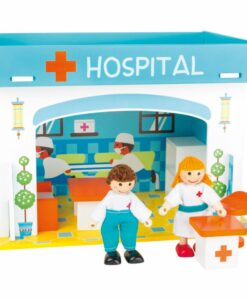
Beyond the kitchen, job scenarios — market, café, till — add something different: exchange. Buying and selling requires a structured dialogue (ask, answer, pay, say goodbye) that is one of the best pragmatics practices available, and it introduces quantity and number without looking like maths.
In work with autistic children, scripted role play is especially useful: the restaurant sequence is predictable, can be rehearsed, and then transfers to the real situation.
Frequently asked questions about play kitchens
What age is a play kitchen for?
Pretend play starts around 18-24 months, so from 2 it's already enjoyed. Peak use is usually between 3 and 5, and plenty of children keep playing at 6-7 with more elaborate restaurant or shop games.
Wooden or plastic?
Wood is more stable, lasts far longer and is usually plainer, which leaves more room for imagination. Plastic is lighter, easier to clean and cheaper. If it's going to serve several siblings, wood pays for itself.
Which accessories do you actually need?
Fewer than you'd think: a couple of pans, some plates, cutlery and food to cut. Beyond that, real kitchen items from home — a sieve, a bowl, real spoons — give the most play and cost nothing.
Is it useful for language therapy?
Yes, and it's among the best-value materials there is. It generates everyday vocabulary, action verbs, time sequences and dialogue, all in one game and with high motivation.