




Hearing and language
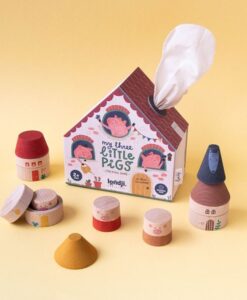
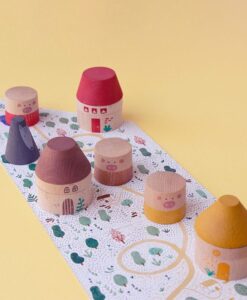


Juego de lenguaje oral – /S/ Cube


Juego de conciencia fonológica – Fonocube
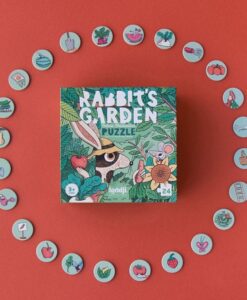
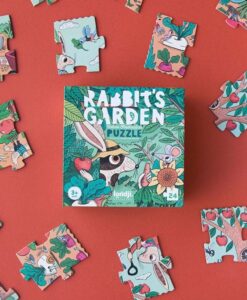
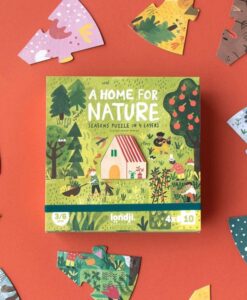
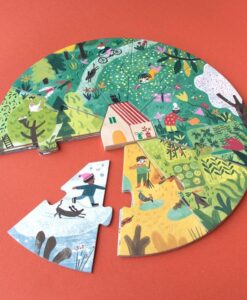




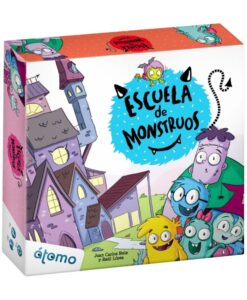
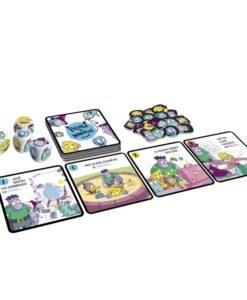
“Escuela de monstruos” – A Game of Rhymes and Language
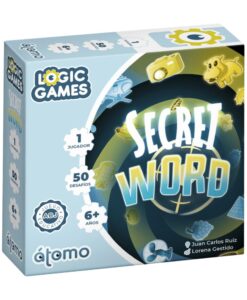
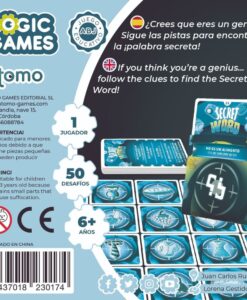
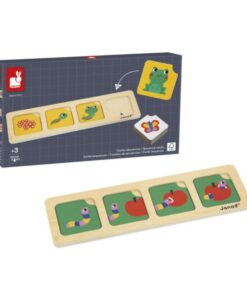
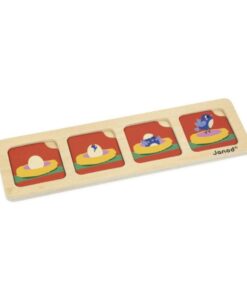


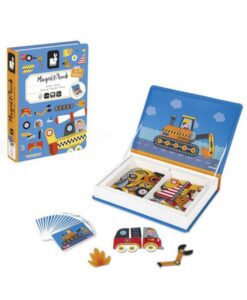


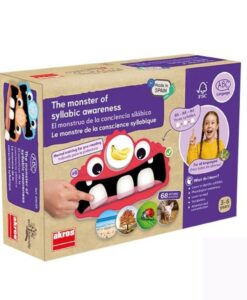
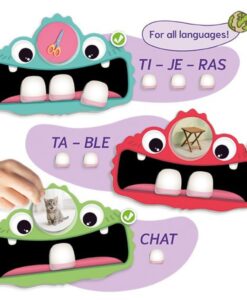
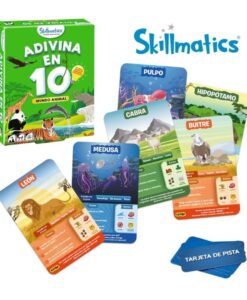



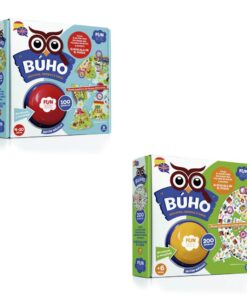
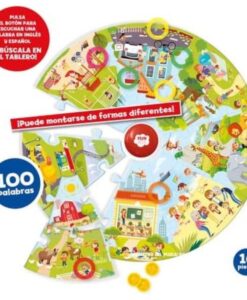
Puzzle búho botón – Juego de mesa de observación y escucha


Picto palabra – Juego de vocabulario



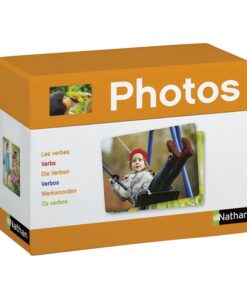

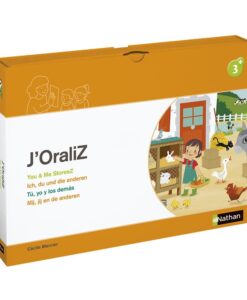
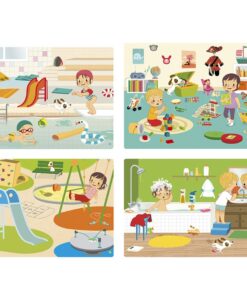
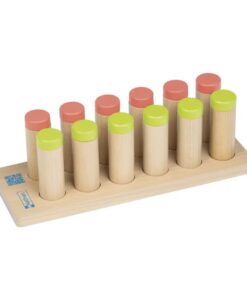
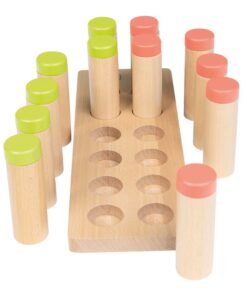
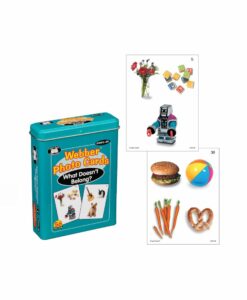
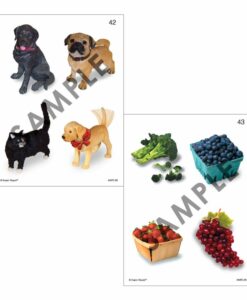
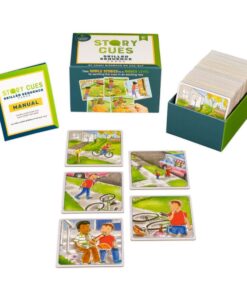

Language work in a school setting has a demand all of its own: sessions are short, groups are mixed, and the material has to serve very different targets without changing box. The same game has to work for /s/ with one child and vocabulary with another.
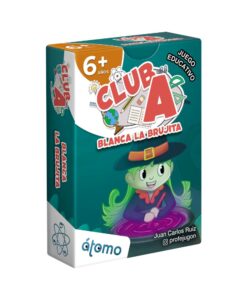
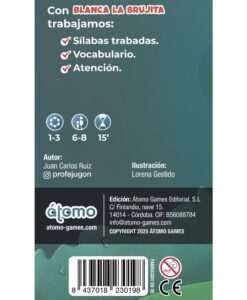
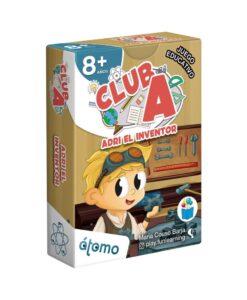
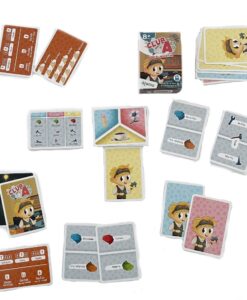
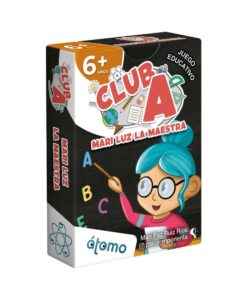
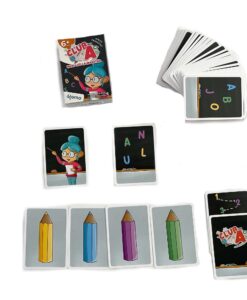
Here you’ll find material chosen on that basis: phonological awareness and articulation games like Fonocube and /S/ Cube, the Club A collection organised by target, vocabulary and speed games, and sequencing and narrative material.
It is part of areas of development and builds on memory and attention.
Material organised by intervention target
- Phonological awareness. Segmenting syllables, identifying initial sounds, rhyming, deleting and substituting phonemes. The groundwork for reading.
- Articulation and speech. Material focused on a single phoneme, for hundreds of repetitions without the child tiring.
- Vocabulary and semantics. Categories, definitions, semantic fields, cued retrieval.
- Morphosyntax. Sentence completion, sequencing, describing scenes with increasing structure.
- Narrative discourse. Time sequences, retelling, stories with beginning, middle and end.
- Pragmatics. Turn-taking, requesting, questioning, repairing misunderstandings.
What makes material good for classroom language work
It isn't the number of pieces or how attractive it looks. In session, four practical things decide it:
It can be graded. The same game with more or less visual support, more or less vocabulary. Material that only suits one level lasts a fortnight.
It allows repetition without boredom. Speech work needs hundreds of repetitions of the same phoneme. If the child wants to keep playing, the repetitions come free.
It works in a small group. Almost no session is entirely one-to-one.
It sets up in a minute. With half-hour sessions, material needing five minutes of prep burns a sixth of the useful time.
Coordinating with the class teacher and the family
One detail decides whether intervention transfers or stays in the room: what's worked on has to show up in the mainstream classroom and at home too. A sound that's only produced correctly on Tuesdays at eleven hasn't generalised.
Which is why material that can be replicated outside — simple to explain, usable by a family without training — delivers far more than spectacular material only the specialist can run.
Frequently asked questions
What material does a school language provision need?
As a base: gradable phonological awareness material, articulation resources by phoneme, vocabulary images by category, time sequences, and a board game for turn-taking and pragmatics.
Does it work for clinical speech therapy too?
Yes. The material is the same; what changes is the framing and the targets.
Can families use it at home?
Much of it, and they should: generalisation to home is what consolidates the work. What changes is the purpose — at home it's play, not a session.
What is the Club A collection?
A series of games organised by character and intervention target: phonology, speech and language, early literacy, attention, problem solving. Designed for sessions, with short rounds and gradable difficulty.