




Artistic and creative
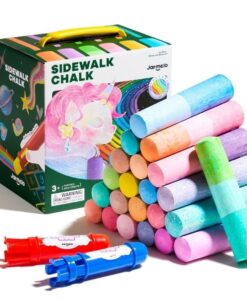
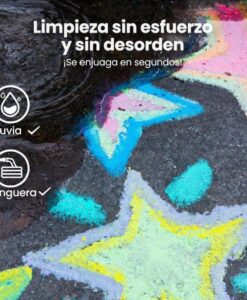
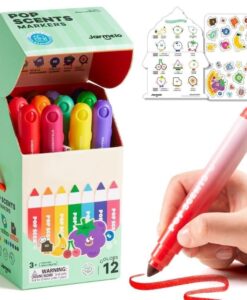
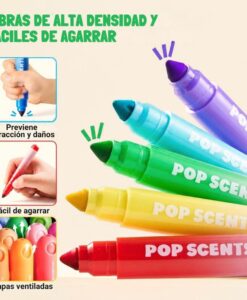
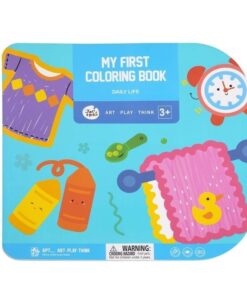
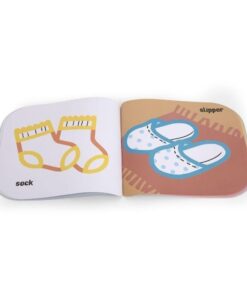

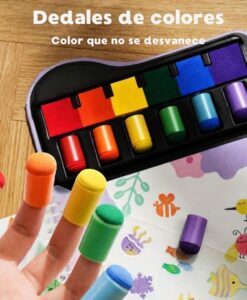


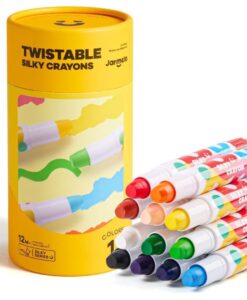
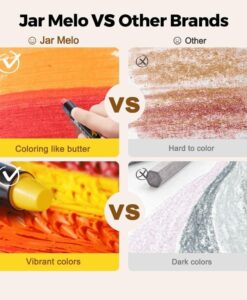
Crayon – Soft Washable Wax – Pack of 12
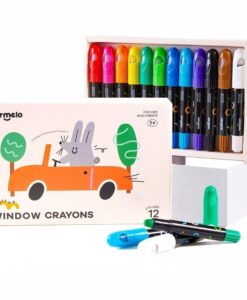
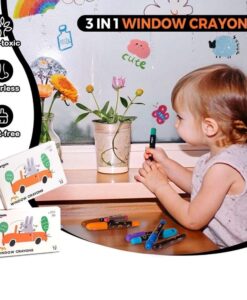
Crayons for glass, tiles, and paper

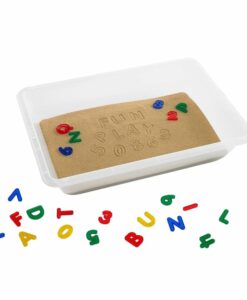
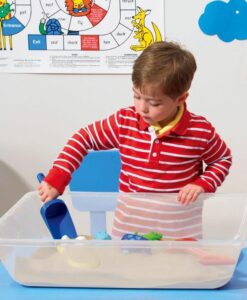



Kinetic moldable sand – Kinetic sand
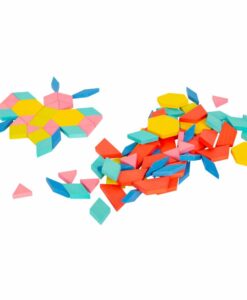
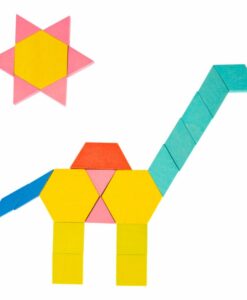
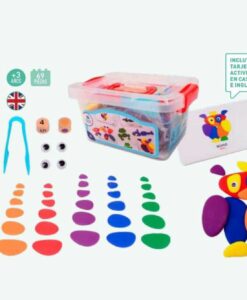
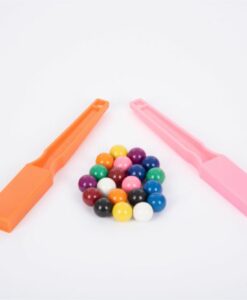
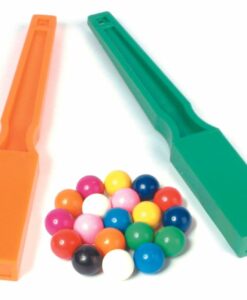
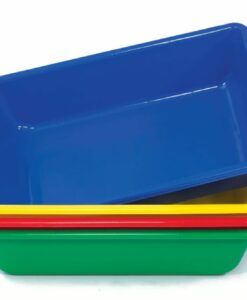
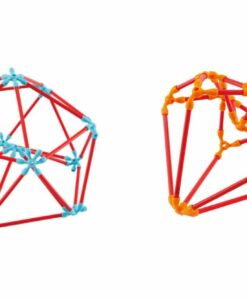
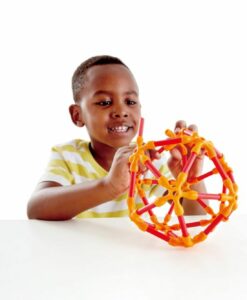
Flexistick – Creative construction kit
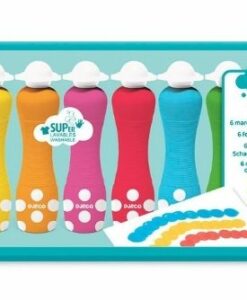
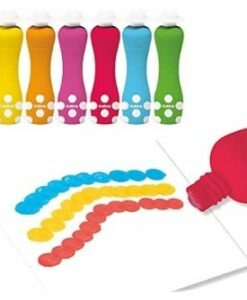
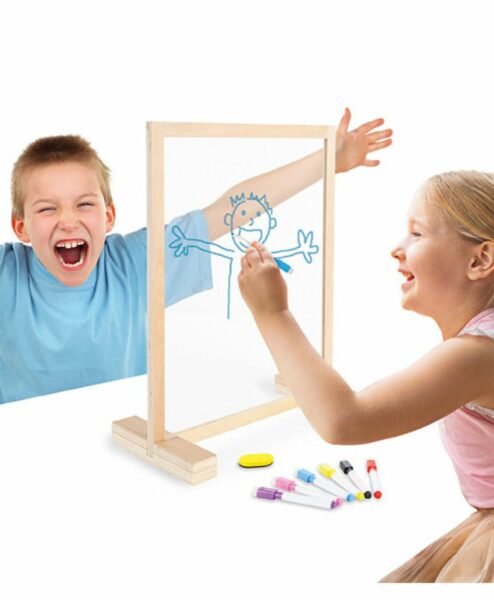
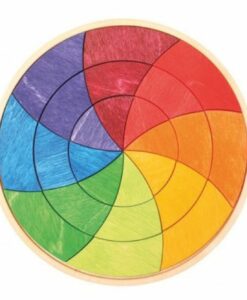
Wooden chromatic circle
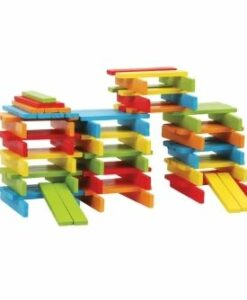
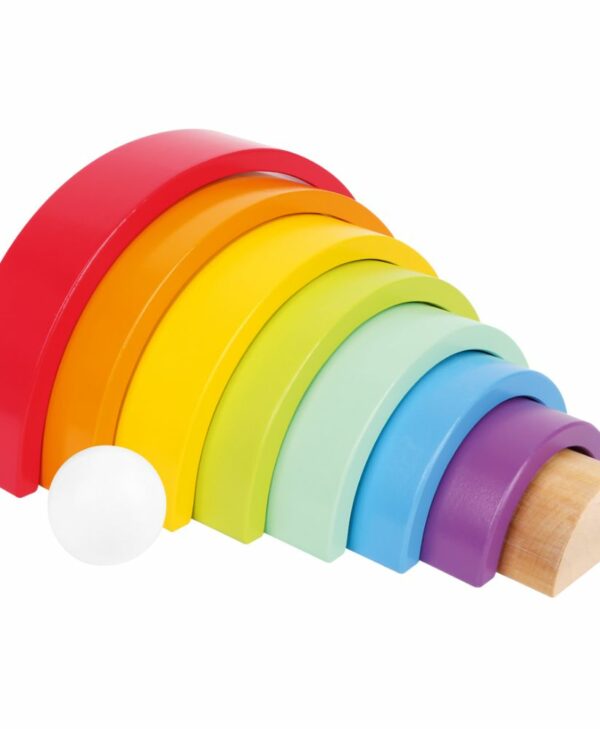
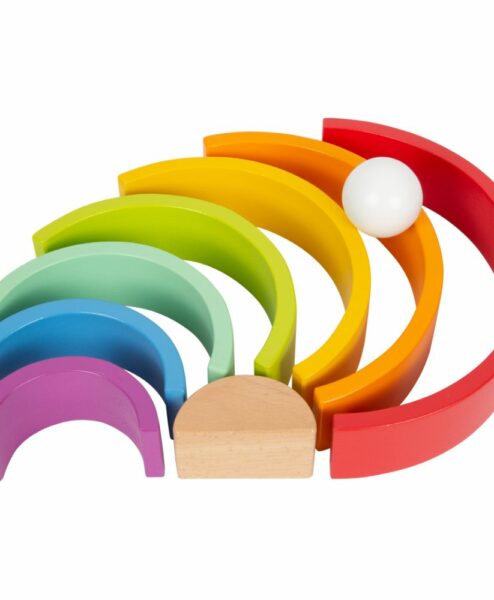
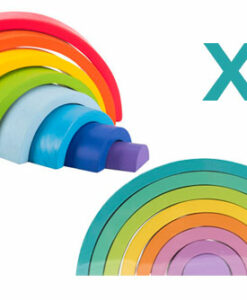
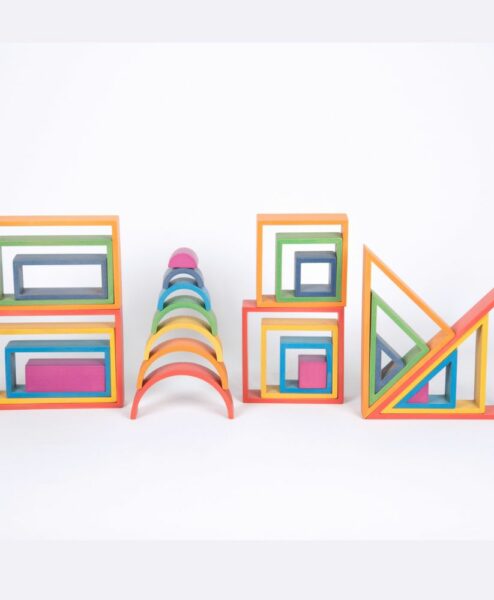
Wooden rainbow XL
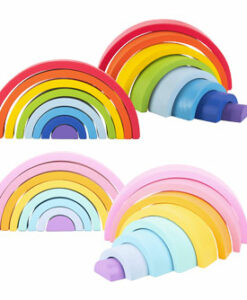
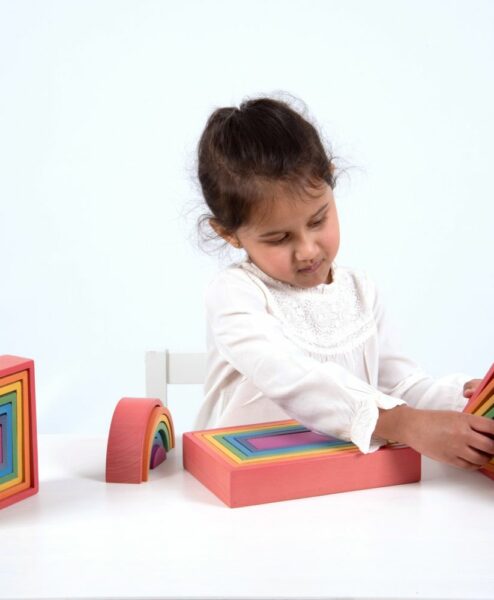
Medium wooden rainbow

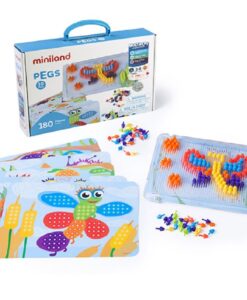
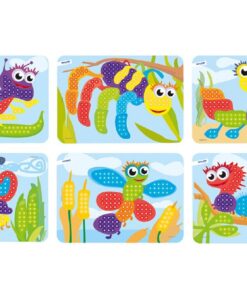
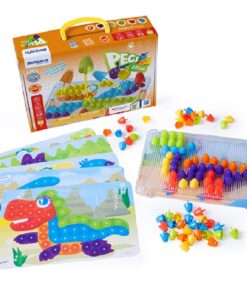
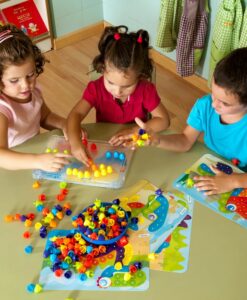
For a child to express themselves, the tool has to get out of the way. A crayon that snaps, a brush that’s too fine, paper that tears — they turn expression into frustration, and the child concludes they “can’t draw” when the problem was the material.
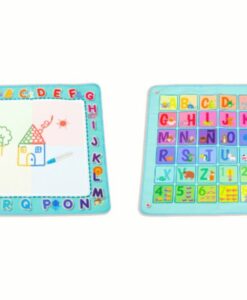
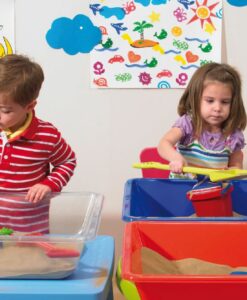
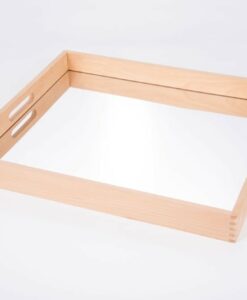
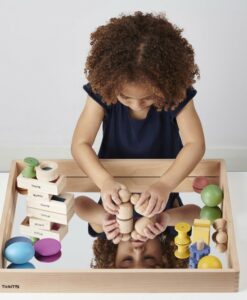
Here you’ll find material chosen for that: magnetic boards in several sizes, beeswax and washable crayons with a chunky grip, window crayons, first scissors, water-drawing mats and exploration trays.
It is part of areas of development and builds on fine motor skills. For creative play, see creativity games.
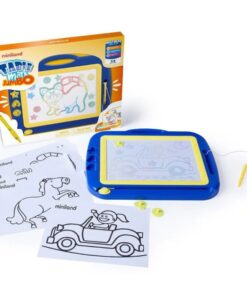
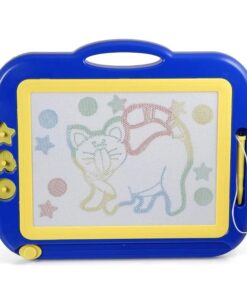
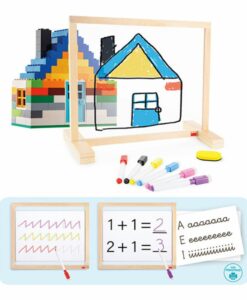
A magnetic board does something paper can't
It looks like just another surface, and it isn't: mistakes disappear without a trace. That difference, which sounds minor, transforms how perfectionist children — or children who've already decided they draw badly — approach mark-making.
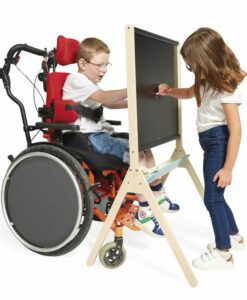
And it adds an under-discussed advantage: it can be used vertically, on the wall. Working on a vertical plane forces shoulder stabilisation and keeps the wrist extended — exactly the posture handwriting will need. In occupational therapy the vertical plane is a standing recommendation, and a board on the wall is the easiest way to get it.
Magnetic versions also add composition: placing, moving and repositioning without drawing anything, which is a way in for children who don't yet control the pencil.
Material by stage
- 1-2 years. Very chunky or rounded crayons, gripped in a whole fist and unbreakable. Marks are scribbles, and that's as it should be.
- 2-4 years. Washable crayons, water mats, large boards. Washability matters more than anything else.
- 4-6 years. Finer crayons, first blunt scissors, stencils. The child now wants their drawing to be recognisable, and that's where frustration appears.
- 6 and up. More precise material and multi-step projects.
On beeswax crayons: beyond being a quality material, they don't snap under pressure and colour without requiring force, which suits children with low tone or an immature grasp.
Process, not product
This is the idea that most changes a child's experience of art, and it costs nothing. Asking "what is it?" of a drawing obliges the child to make it be something — and if it wasn't, it becomes a test. Swapping that for "tell me about it", or simply describing what you see, opens conversation rather than closing it.
This has direct consequences for language work: talking about what you're doing while doing it generates a great deal of spontaneous language, and good language, because the child is describing something of their own.
Frequently asked questions
Which crayons are best for young children?
Chunky, rounded or block-shaped ones held in a whole fist. Beeswax crayons have the advantage of not snapping under pressure and colouring without force, which matters for children with a weak grasp. And washable if they'll be used unsupervised.
What's the point of working on a vertical board?
A vertical surface forces shoulder stabilisation and keeps the wrist extended — the functional position for writing. It's a standard occupational therapy recommendation and one of the simplest ways to prepare the hand.
What age for first scissors?
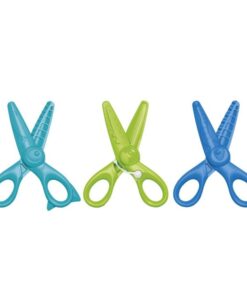
Around 3, blunt-tipped and always supervised. At first a single snip into a narrow strip is plenty; following a line comes considerably later. If opening is hard, self-opening scissors solve that step.
Free drawing or colouring sheets?
Both, serving different purposes. Colouring within lines trains precision and control; a blank page trains initiative and expression. The problem is only when sheets are all there is.