




The 5 senses
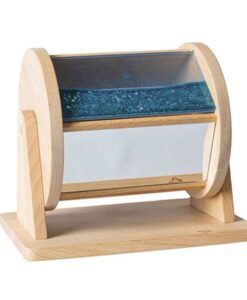
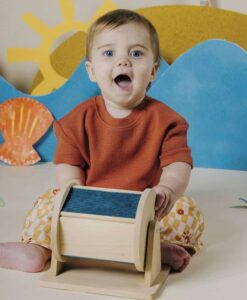
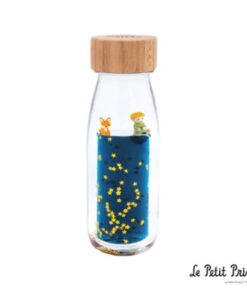

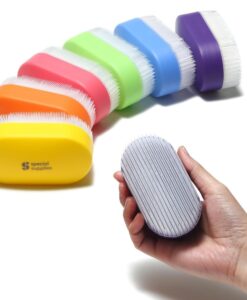
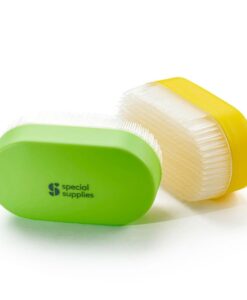
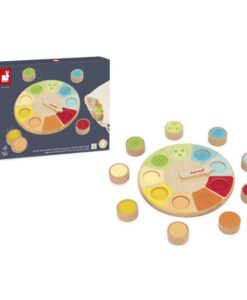
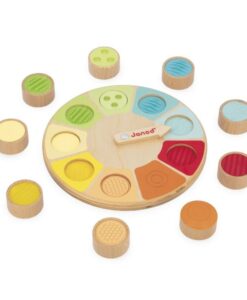
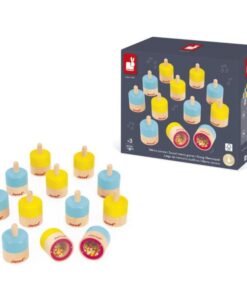
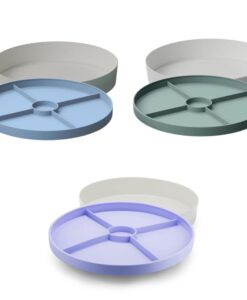
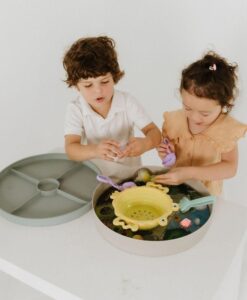
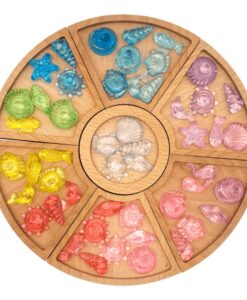
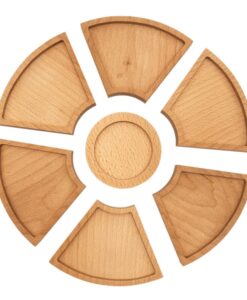
Silicone Sensory Tray – Play Tray
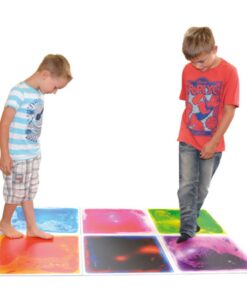
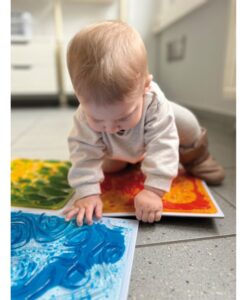
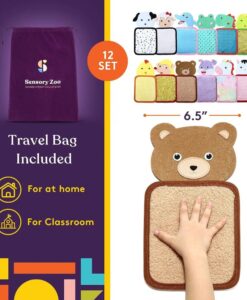
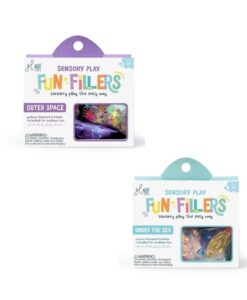
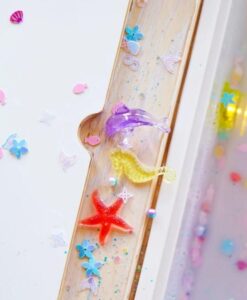
Relleno jarra sensorial

Arena mágica ultraligera – Fluffy Sand
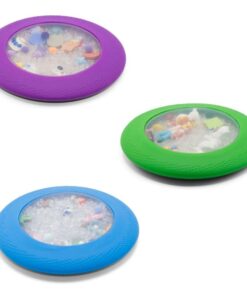
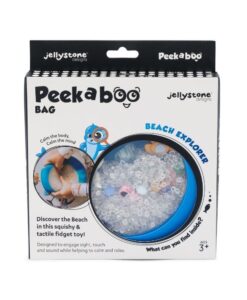
Bolsa sensorial – Peekaboo
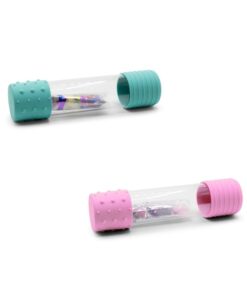

Botella de la calma – DIY
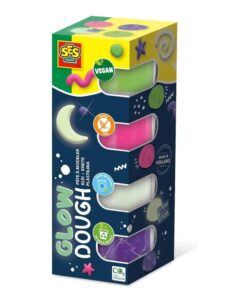
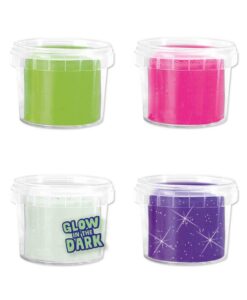


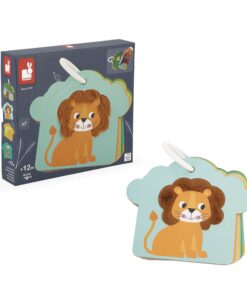

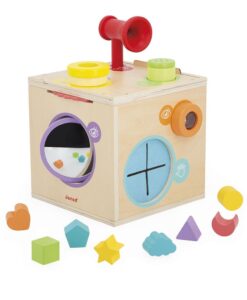
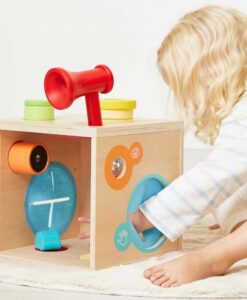
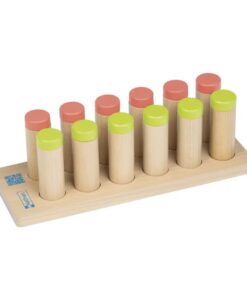





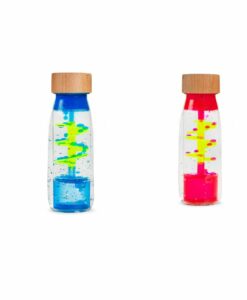

Botella sensorial – Move Bottle Spiral


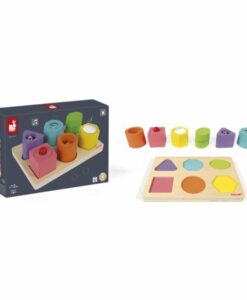
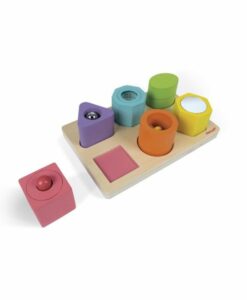
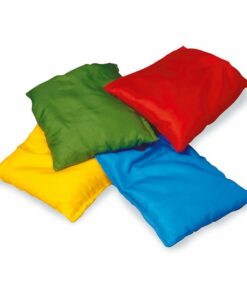
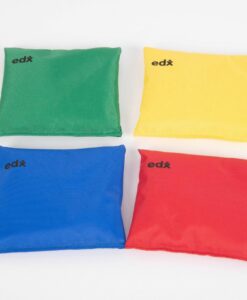
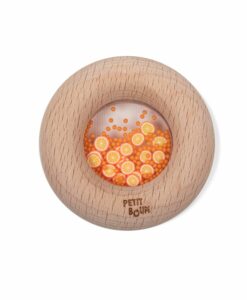

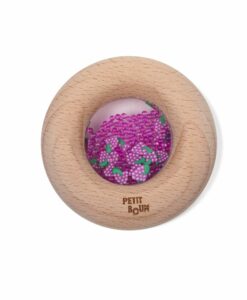
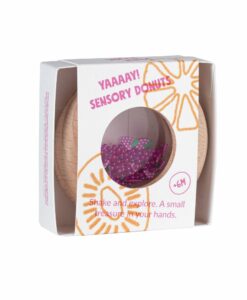
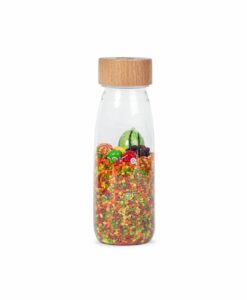


Working on “sensory” as a single block gets you nowhere. A child who covers their ears and one who puts everything in their mouth have opposite profiles, and the material that regulates one overwhelms the other.
That’s why this catalogue is organised by channel. 139 items across the five senses, so you can choose which route to stimulate and how strongly.
Channel by channel
Sight
Contrast, visual tracking, light-based cause and effect. Luminescent material, projection and high-contrast objects for the early months or for low vision.
Hearing
Rattles, instruments, sound boxes and listening material. It overlaps with auditory perception work, but here the aim is stimulation rather than fine discrimination.
Touch
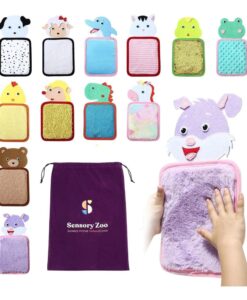
The channel with the most items. Textures, temperatures, pressure, natural materials. Usually the way in, because it's what a hypersensitive profile tolerates best.
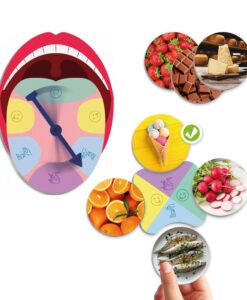
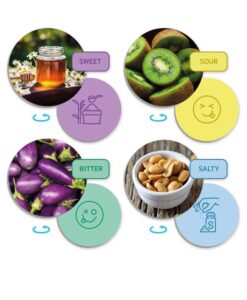
Smell and taste
The two most overlooked and the most tied to memory. Scent jars, aromatic material and taste stimulation products, also useful in oral motor work.
Hypersensitive or hyposensitive
This is the question to answer before buying anything.
A hypersensitive profile takes in too much information and protects itself: covers ears, avoids textures, refuses certain foods, struggles in the dining hall. With them you lower the input and work with deep pressure and predictability.
A hyposensitive profile takes in too little and goes looking for it: crashes, bites, never stops moving, squeezes. With them you raise the intensity — vibration, movement, weight — and the material has to give more signal, not less.
Most children are mixed: hypersensitive in one channel, hyposensitive in another. Which is why it pays to stock both kinds rather than one generic sensory box.
Frequently asked questions
What age can it be used from?
From the first months, with visual and tactile contrast material. What changes with age is less the material than how it's presented.
What is a sensory diet?
It's a plan of inputs spread through the day, matched to the child's profile, to keep them regulated before they tip over. It isn't a shopping list: it's when and how much. The material here is the toolkit for that plan.
What if I want the same material as a toy?
That's under sensory stimulation toys, organised by toy type instead of by sensory channel.