







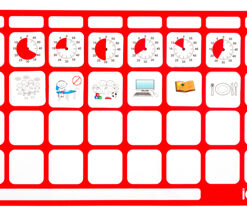

Ideopicto (IDEOpicto) is a Canadian family business that has made magnetic pictograms since 2012 to organise routines, prepare for activities and manage emotions and time. It was created to help children and adults with autism and other special needs at home, at school and in daycare.
Ideopicto magnetic pictograms for routines and visual schedules
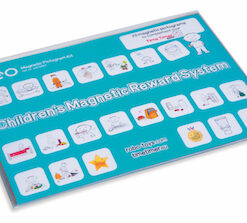
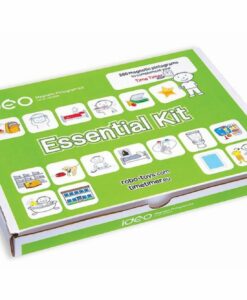
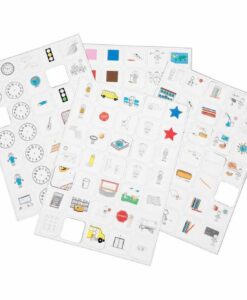
The Essential Kit is the starting point: a set of durable magnetic pictograms with simple illustrations for building sequences, planning the day or preparing for a social situation. It pairs with the Rewards Kit, designed to reinforce behaviours and goals.
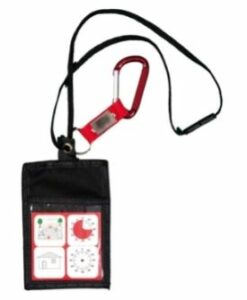
To take the schedule on the go, the portable pictogram kit lets you use the pictograms outside the home, and the magnetic board works as a fixed base for the day’s schedule.
Why magnetic pictograms
Because they are magnetic, the pictograms go on, come off and can be rearranged in seconds, with no Velcro or laminating. That makes it easy to change the schedule when plans change and to let the child take part by moving the pieces.
Why buy Ideopicto at Logopedicum?
It is designed for families, teachers and therapists who use visual supports every day. At Logopedicum you will find the brand’s kits and accessories together, with an invoice for your organisation.
Frequently asked questions about Ideopicto
What is Ideopicto?
IDEOpicto is a Canadian family business that has made magnetic pictograms since 2012 to help children and adults with autism and other special needs organise routines, emotions and time.
Which kit should I start with?
Most people start with the Essential Kit, with the basic pictograms for the daily schedule, and then add the Rewards Kit or the portable kit.
Where do the pictograms go?
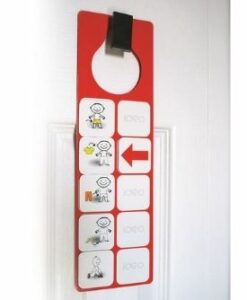
On any metal surface or on the brand's magnetic board. To use them vertically on a door there is the vertical door holder.
What is the advantage over paper pictograms?
They go on and come off in seconds with no Velcro or laminating, so the schedule can change on the spot and the child can move them independently.
Who are they for?
Families, teachers and therapists who work with visual supports, especially with children and adults with autism or other support needs.