




Cars and transport
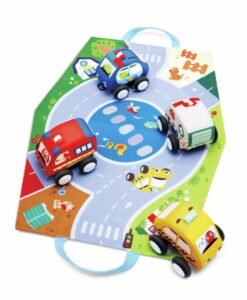
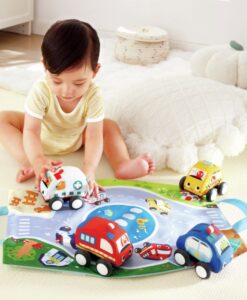
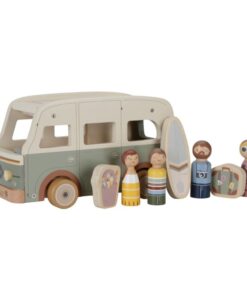
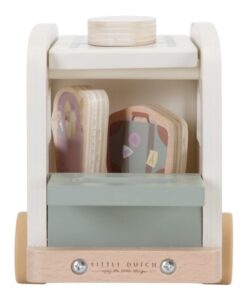
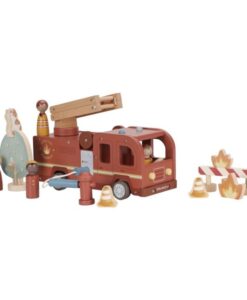
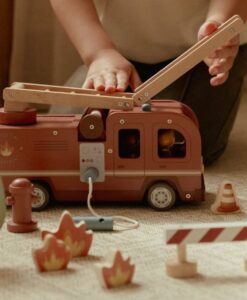
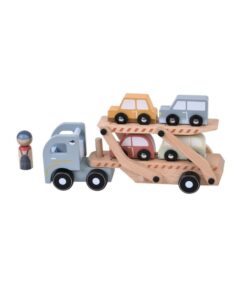
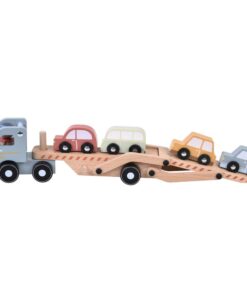



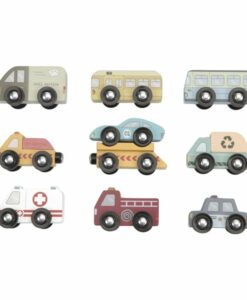
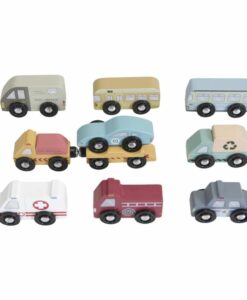
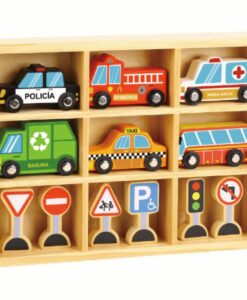
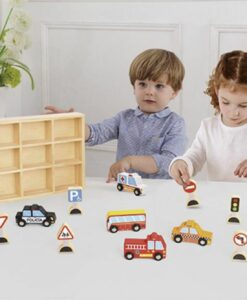
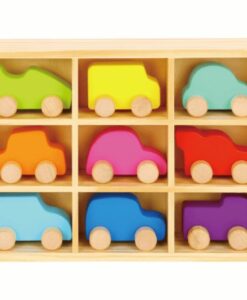
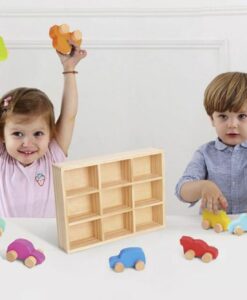
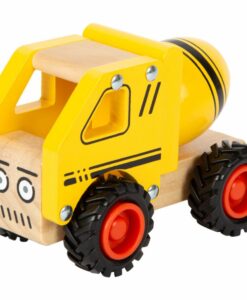
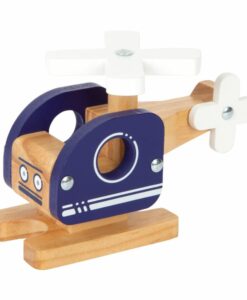
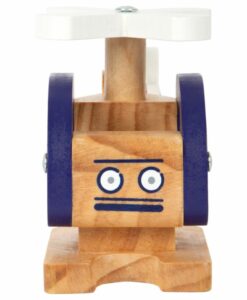
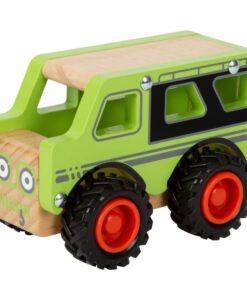
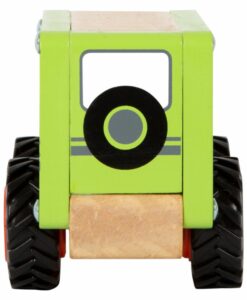
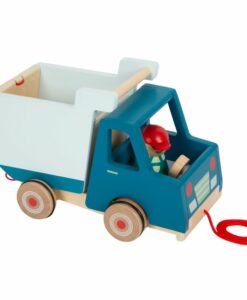
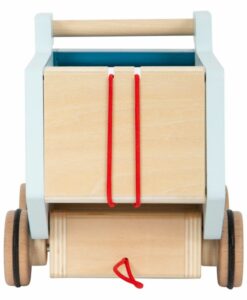
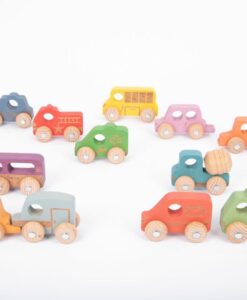
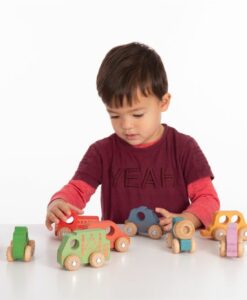
Wooden cars – Rainbow
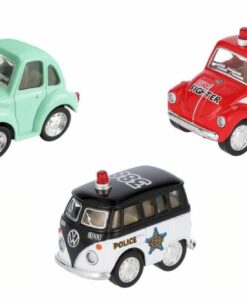
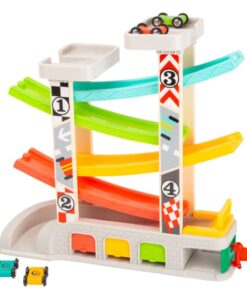
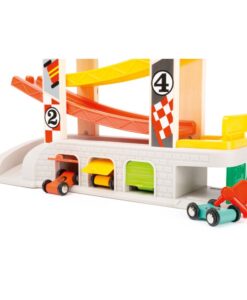
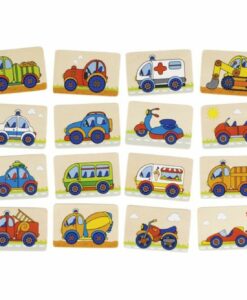
Wooden toy cars and transport vehicles are one of the most complete resources for symbolic and imitation play: the child drives, parks, repairs or directs traffic and, while playing, names actions, anticipates what comes next and builds little stories. That spontaneous narration is the foundation of language development, which is why this category is so widely used by speech therapists, teachers and families.
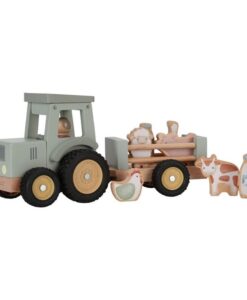
At logopedicum you’ll find cars, vans, trucks, wooden trains, car parks, circuits, helicopters and tractors from brands such as Janod, Hape, Little Dutch, Goki, Small Foot and Tickit, made to last and designed for hands that are still developing. They are safe, battery-free materials with natural finishes that invite children to handle, fit together and roll.
Every vehicle is an opportunity to expand vocabulary (means of transport, sounds, professions), work on cause and effect and encourage shared play. A simple tool with enormous therapeutic and educational reach.
Why wooden toy cars and transport vehicles boost language
Playing with vehicles generates language naturally. Pushing a car or loading a truck, the child verbalises actions ("it starts", "it brakes", "it falls"), takes in transport vocabulary (car, train, plane, boat, fire engine, ambulance) and practises onomatopoeia and sounds that stimulate oral production in the early stages. It is one of the best starting points for speech stimulation in children aged 1 to 6.
Symbolic play and narrative with cars and vehicles
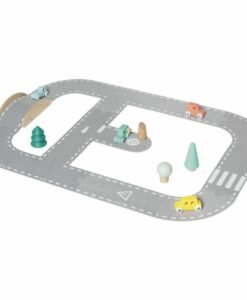
Parking in a wooden car park, driving along a circuit or setting up a traffic scene turns play into a story with a beginning and an end. This symbolic play develops sequencing, anticipation and narrative discourse, key skills that speech therapists work on with the support of small worlds and transport scenarios. It is part of symbolic and imitation play, one of the foundations of child development.
Types of toy cars and transport vehicles you'll find
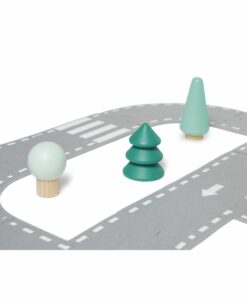
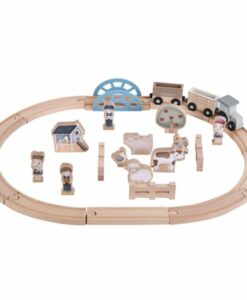
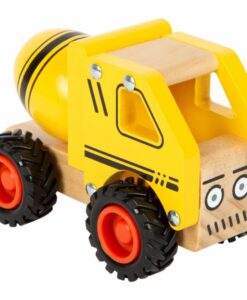
Wooden cars and mini vehicle sets, vans and off-roaders, fire and transport trucks, trains and tracks, car parks and circuits, helicopters, tractors with trailers and vehicle-themed memory games. Most are made of natural wood, with no electronics, and easy to combine to expand the play scene.
What ages and profiles toy vehicles are for
There are options from the first grasps (large, pull-along vehicles) to more detailed sets for ages 3-6 to create small worlds. They work equally well at home, in the classroom and in speech or occupational therapy sessions, and are a regular resource for working on language, attention and fine motor skills.
Frequently asked questions about toy cars and vehicles
What are the language benefits of toy cars?
They stimulate transport vocabulary, onomatopoeia, cause and effect and narrative discourse through symbolic play, supporting oral production and communication.
From what age are they recommended?
From around 1 year with large, pull-along vehicles, and up to age 6 with more elaborate circuits, car parks and small worlds.
Are they wooden and safe?
Most are made of natural wood, battery-free, with safe finishes from brands such as Janod, Hape or Little Dutch.