




Potties


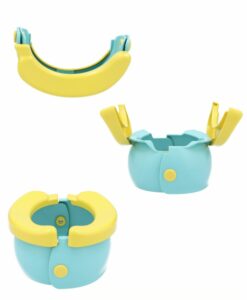
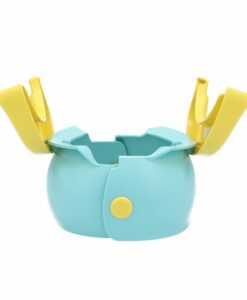
Banana Portable Potty
A potty teaches nothing by itself: the child decides when the moment has come. What you can do is remove obstacles — a stable potty at their height that they can use without asking for help — and avoid turning the whole thing into a battle.
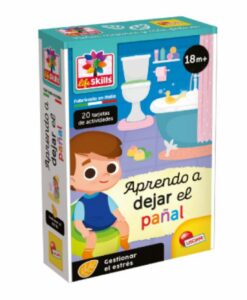
Here you’ll find low-seat training potties, portable potties for travel, and support material for the transition out of nappies.
It is part of bath and hygiene.
The signs that the moment has arrived
It's a question of maturation, not age. Sphincter control arrives when the nervous system is ready, and pushing earlier doesn't speed it up: it complicates it. These are the signs that usually mean you can begin:
- Dry nappy for two hours or after a nap: the bladder is holding.
- They tell you — in words, with a gesture, or by hiding — before or during.
- They walk, sit and stand unaided, and can pull their trousers down.
- They show interest in the bathroom, in what adults do, or in the potty itself.
- A dirty nappy bothers them and they ask to be changed.
These signs usually appear between 18 months and 3 years, with wide and entirely normal variation between children.
Potty or toilet seat reducer
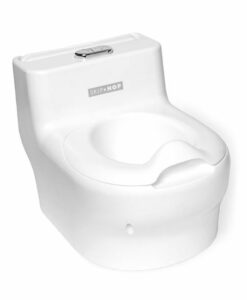
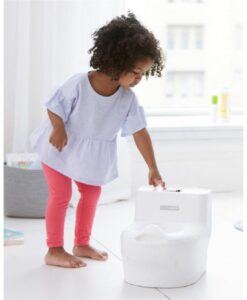
A potty has two advantages that matter a lot early on: feet reach the floor — and planted feet are what allow pushing — and the child can get there alone. The downside is emptying and cleaning it every time.
A seat reducer with a step skips the intermediate stage and suits children who want to do what the grown-ups do, but it needs the step: without foot support the position is less effective. Plenty of families keep both, which is entirely sensible.
A travel potty solves one very specific problem: the first weeks out of nappies away from home. Being able to go out without depending on finding a toilet removes a lot of tension — and that tension is often what makes the process go backwards.
When toilet training is harder
For children with autism, developmental delay or sensory difficulties, the process usually needs more time and more structure. What helps most is predictability (same potty, same place, fixed times), visual support (a picture sequence of the steps) and attention to the sensory side: the noise of the flush, a cold seat or the feeling of empty space underneath can be aversive in themselves, and often that's the real obstacle rather than lack of control.
If the process stalls for a long time, or you see withholding or pain, it's worth discussing with your paediatrician before pressing on.
Frequently asked questions about potties
What age do children come out of nappies?
There's no fixed age. Most children show readiness signs between 18 months and 3 years, and night-time control arrives considerably later than daytime. The signs are what count, not the calendar or what other children are doing.
Potty or toilet seat reducer?
A potty at first, because feet reach the floor and the child can get there alone. A reducer with a step works well once they want to copy adults. Having both is a perfectly sensible option.
Do you need a travel potty?
In the first weeks out of nappies, very much so. It lets you leave the house without depending on finding a toilet in time, which avoids the accidents that cost the child confidence and the adult patience.
What if they won't sit on it?
Don't push. Leave the potty accessible, use it while reading a story, and wait. Forcing a child to sit when they don't want to is the most efficient way to associate the potty with something unpleasant and add weeks to the process.